
A fuel smell inside the cabin is one of those things drivers notice and instantly wonder, is this a big deal or just a temporary smell from a nearby car. Sometimes it really is minor, like fumes drifting in after fueling. Other times, it’s your vehicle telling you fuel vapors are escaping somewhere they should not.
The important part is this: gasoline fumes are not something to live with or ignore for weeks, because the risk can change fast depending on where the leak or vapor is coming from.
Why Fuel Odor Ends Up Inside The Cabin
Fuel smell gets into the cabin in two main ways. One is a fuel or vapor leak outside the cabin that gets pulled in through the fresh air intake or through openings in the body. The other is a source closer to the cabin, like a leak in a line near the firewall, or vapor entering through the trunk area and moving forward.
Airflow plays a big role. At speed, air pressure around the vehicle changes, and that can pull odors into the cabin even if the leak is small. Using fresh air mode can bring in more outside air, while recirculation may trap odors that have already entered.
The Timeline From Mild Odor To Real Risk
Early on, you might only catch a brief whiff after starting the car, right after fueling, or when you park in the garage. If the source is small, the smell may disappear once you’re driving, which makes it easy to dismiss. As the problem grows, the odor starts lasting longer, showing up more often, or becoming noticeable with the windows up and the fan running.
When it gets to the point that you can smell fuel strongly while driving, or the smell is giving you a headache, that’s no longer a safe situation. At that stage, you want to reduce driving and get it checked ASAP, because fuel vapor buildup and fuel leaks can become dangerous quickly.
Common Fuel Leak Spots Under The Hood
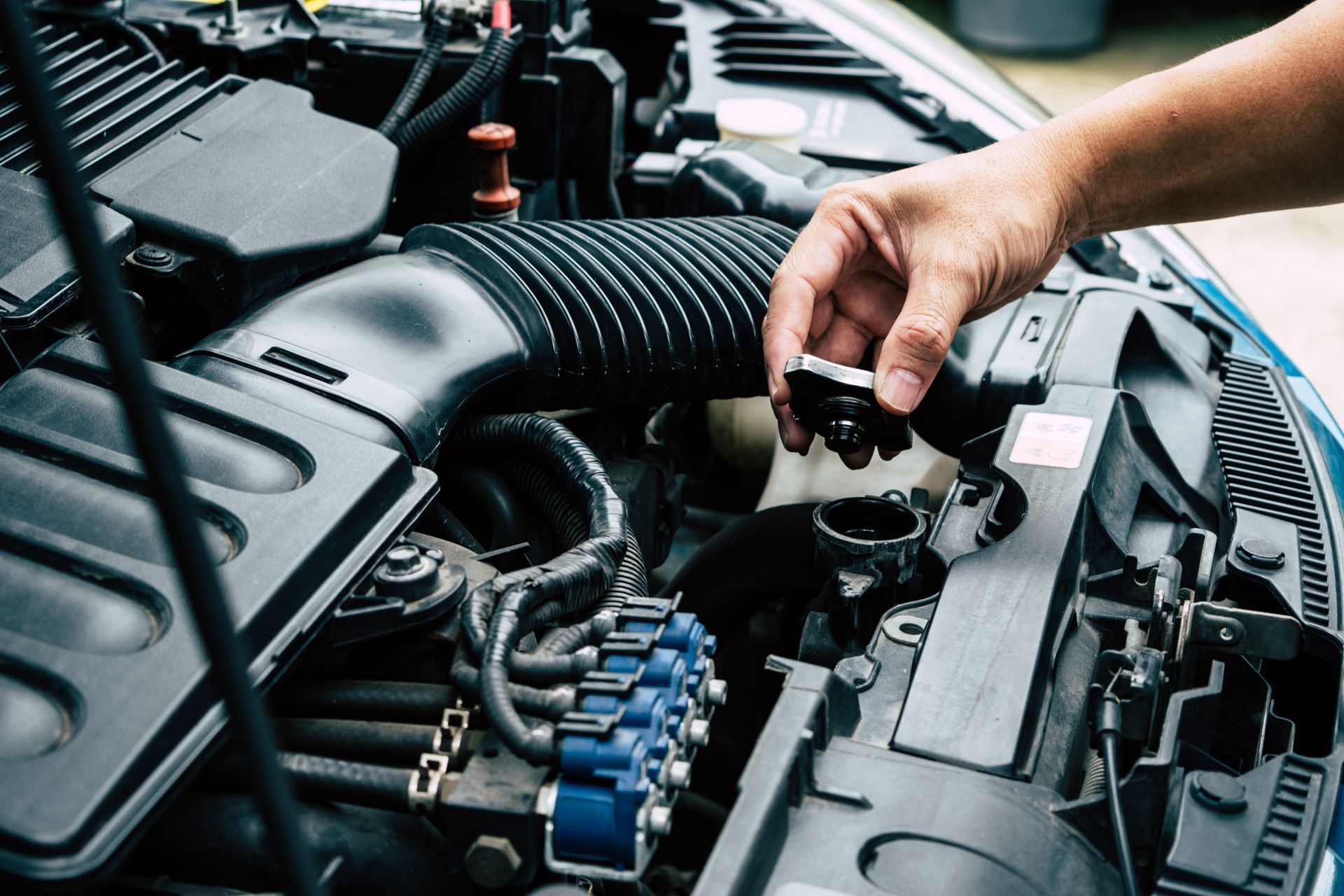
Under the hood, fuel smell can come from seepage at fuel lines, injector seals, the fuel rail area, or fittings that have loosened over time. Some leaks are obvious, such as wetness, but others evaporate quickly on hot engine parts and leave only an odor. If the smell is strongest after the engine warms up, that often points toward a small seep that becomes more noticeable with heat.
You can also get odor from issues near the firewall where the HVAC fresh air intake is located. If vapors are present in that area, the blower can pull them right into the cabin. We’ve seen this happen even with small leaks, especially when the fan is at a higher speed.
EVAP System Problems That Can Smell Like Fuel
Not every fuel smell means liquid fuel is leaking. The EVAP system is designed to capture and store fuel vapors from the tank, then burn them in the engine under controlled conditions. If an EVAP hose is cracked, a purge valve is stuck, or the system is not sealing properly, vapors can escape and smell like fuel even though nothing is dripping.
A common pattern is an odor that shows up after fueling, or an odor that appears when the car is parked in a warm spot and then driven later. Another clue is a check engine light tied to EVAP leaks. A code points to what the system noticed, but testing is what tells you whether it’s a simple sealing issue or a component failure.
Cabin And Rear Of Vehicle Sources Drivers Miss
Fuel odor can also originate from the rear of the vehicle and drift forward. Leaks at the fuel pump module seal, filler neck area, or vapor lines near the tank can create fumes that enter through the trunk area or rear body vents. You might notice it more with the rear seats folded down, with cargo blocking vents, or when the HVAC fan is pulling air through the cabin.
Another overlooked factor is spilled fuel. If fuel drips into a body pocket near the filler area, it can keep smelling for days, especially in warm weather. That said, repeated odor after multiple fill-ups usually means something is not sealing correctly, not just a one-time spill.
A Practical Decision Guide For When To Park It
If you smell fuel once and it fades quickly, especially right after fueling, you can monitor it closely and see if it repeats. If the smell is frequent, stronger, or present while driving, treat it as a priority. If you see any sign of wet fuel, that’s a stop and get help moment.
Here are situations where we recommend reducing driving and scheduling service right away:
- Strong fuel odor inside the cabin while driving
- Fuel smell paired with dizziness, headache, or eye irritation
- Visible wet spots or dripping under the vehicle
- The odor is strongest near the hood or near the rear wheel area
- Any sign the smell is getting stronger week to week
When you come in, the most helpful thing you can do is describe when it happened. After fueling, only on cold starts, only after a long drive, or only with the fan on. Our technicians use that pattern to narrow the search quickly instead of guessing.
Get Fuel System Inspection in Oregon City, OR, with Mountain Tech Inc.
If you’re smelling fuel inside the cabin, we can inspect for leaks, check EVAP system sealing, and pinpoint where vapors are getting into the vehicle. We’ll walk you through what we find and recommend the next step based on evidence, not assumptions.
Schedule your vehicle's inspection in Oregon City, OR, with
Mountain Tech Inc., and let’s get the smell handled before it turns into a bigger risk.