
How to Prepare Your Car’s Cooling System for Oregon Winters?

November 28, 2025

Cold mornings in the Willamette Valley feel different from windy days on the coast or clear nights up on Mount Hood. Your cooling system sees all of it. Winter prep is about more than freeze protection. It is about stable temperatures on long descents, strong cabin heat in rain, and a system that can take a sudden climb without complaint.


A focused check now keeps warning lights, fogged windows, and steam off your winter schedule.


Check Coolant Strength and Type First


Coolant does two jobs. It prevents freezing and fights corrosion inside aluminum passages. Use a refractometer or quality test strips to confirm protection to at least negative 34°F. That margin covers cold snaps in the Cascades. Match the exact coolant chemistry your vehicle calls for, not just the color. Mixing types can weaken additives and encourage deposits that narrow small heater core tubes.


If the fluid is brown, oily, or full of debris, plan a full exchange rather than a quick top-up.


Radiator Cap and Pressure Hold the Line


Pressure raises the boiling point and keeps the system stable on long grades. A weak cap lets pressure bleed away, which can cause boiling in hot spots and poor heater output at idle. Inspect the cap seal for cracks and the spring for tension.


If you see dried crust around the filler neck, that is a hint that the cap is not sealing. Replace questionable caps with the correct pressure rating for your car, then recheck for leaks after a few heat cycles.


Hoses, Clamps, and Plastic Necks in the Cold


Rubber hardens with age, and cold exposes weak spots. Squeeze the upper and lower radiator hoses when the engine is cool. They should feel firm but not brittle. Look for bulges near clamp areas and for dampness at quick connects. Many cars use plastic necks on radiators and thermostat housings. Fine hairline cracks can open when temperatures drop, then close when warm. A bright light often reveals a faint white line where a leak is starting


Replace aging parts now so a wet shoulder does not sideline you in January.


Thermostat Behavior and Warm-Up Time


A lazy thermostat adds minutes to every defrost and prevents the engine from reaching a happy temperature. Watch the gauge during your first drive of the day. It should climb steadily and settle near the center. If it takes ages to warm or drifts low on the highway, the thermostat may be stuck open.


If it climbs too high on hills, it may be slow to open. A fresh thermostat restores quick heat and steady temperatures during mixed urban and highway driving.


Heater Core, Blend Doors, and Real Cabin Heat


Weak heat on a rainy evening is more than discomfort. It leaves the glass fogged and stressful. Start with coolant flow. If one heater hose at the firewall is hot and the other is much cooler, flow through the core is limited. A backflush can restore it if deposits are light. Next, listen for the blend door movement as you change the temperature.


If the air never gets fully hot, a door or actuator may be stuck. Confirm the cabin filter is clean. A clogged filter restricts airflow and makes every setting feel weak.


Fans, Relays, and Cooling in Stop and Go


Oregon traffic mixes with steep ramps and tight city blocks. Electric fans handle that load when the car is not moving. Verify both low and high fan speeds, and make sure the condenser and radiator faces are clear of leaves. A fan that fails on low speed often works on high, which hides the problem until a long idle in the rain with the defroster on.


Replacing a noisy or lazy fan motor now prevents a sudden temperature spike in a parking queue.


Air Pockets and Proper Bleeding After Service


Any time the system is opened, air can trap in high spots and starve the heater. Many modern cars require a vacuum fill or a bleed procedure with the nose raised. If you hear gurgling behind the dash or the heat fades at idle, air is likely the culprit. Follow the factory bleed steps, cycle the heater, and recheck the level after the first long drive.


A stable level and quiet hoses mean the job is done.


Stay Ready for Oregon Winter with Mountain Tech Inc. in Oregon City, OR


If your car warms slowly, loses heat at idle, or shows new damp spots around the radiator, we can sort it before the weather turns. Our team tests coolant strength, pressure checks caps and hoses, verifies fan operation, clears heater core restrictions, and follows the correct bleed procedure so temperatures stay steady.


Give us a call to set a visit, or stop by our Oregon City shop, and head into winter with clear glass, reliable heat, and a cooling system you can trust.
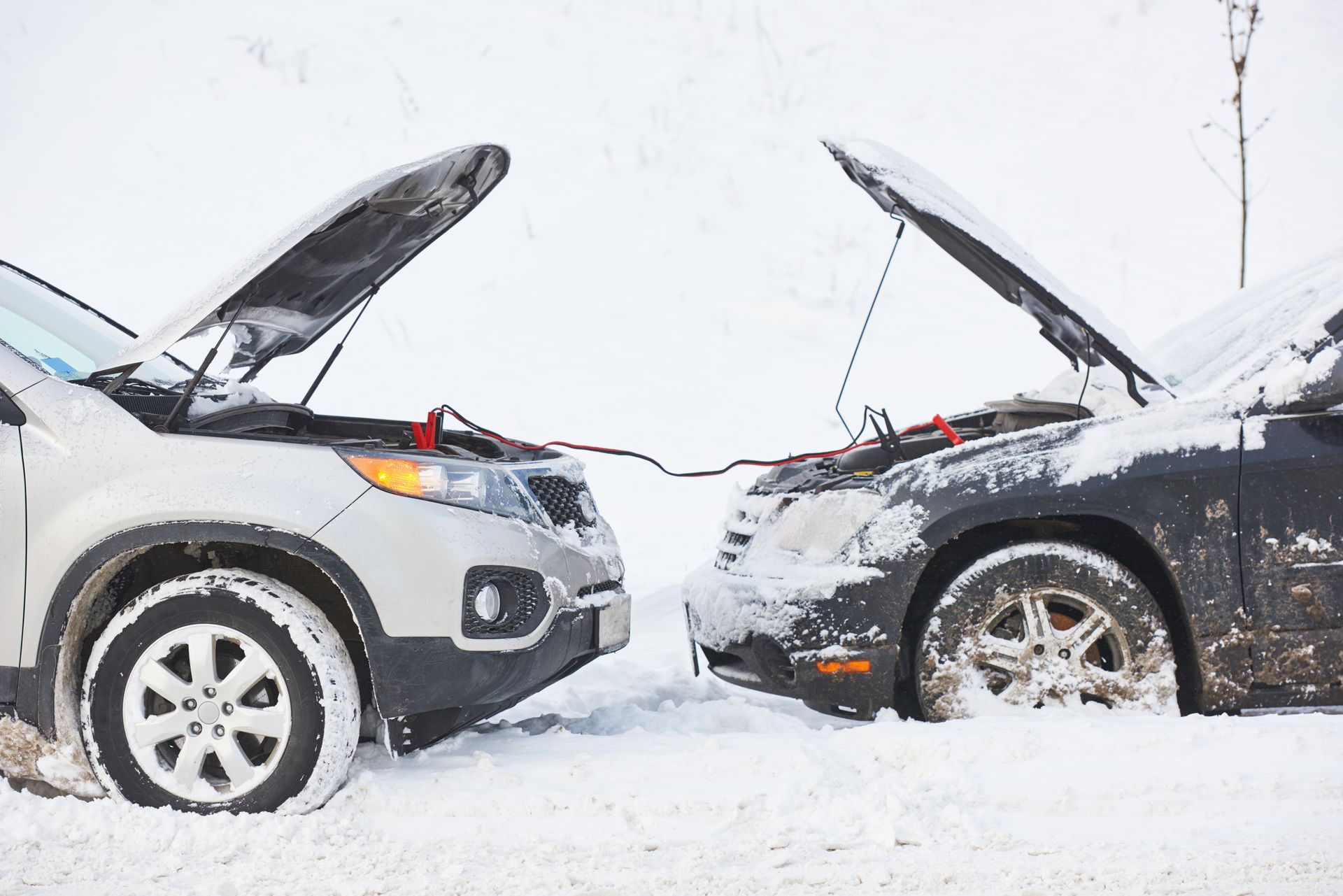
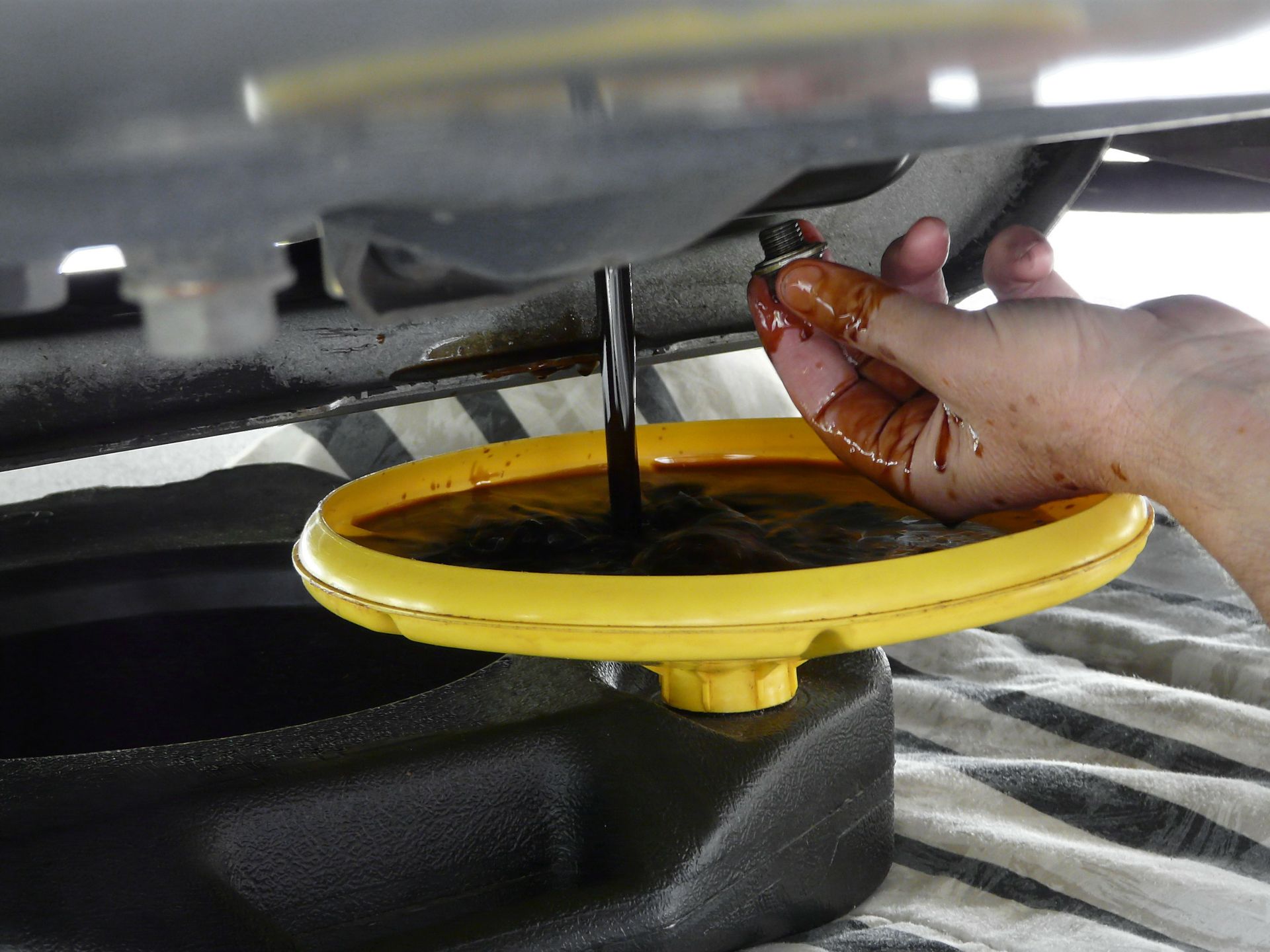
Does My Car Engine Need a Throttle Body Cleaning or Replacement? | Mountain Tech Inc.
October 31, 2025
Mountain Tech Inc. in Oregon City, OR, explains how to tell if your throttle body needs a clean or a full replacement to fix poor performance.
Why Does My Car Have a Burning Smell on The Long Downhills? | Mountain Tech Inc.
September 26, 2025
Driving downhill for an extended period puts unique demands on your vehicle, especially when it comes to braking and engine performance. If you’ve ever noticed a burning smell while descending a steep grade, it can be concerning. Sometimes the odor is harmless, but in other cases, it signals that your brakes, transmission, or other components are overheating. Knowing what causes these smells and how to address them can help you prevent damage and drive more safely. Brakes Overheating on Long Descents The most common source of a burning smell during downhill driving is overheated brakes. When you ride the brakes continuously, friction builds up between the brake pads and rotors, producing intense heat. This heat can cause the pads to emit a sharp, acrid odor as the material begins to break down. In extreme cases, overheated brakes can lead to brake fade — a condition where your braking power is reduced because the pads and rotors are too hot to function properly. If you notice a burning smell accompanied by reduced stopping ability, pull over safely and allow the brakes to cool before continuing. To prevent this, use engine braking whenever possible. Downshift to a lower gear to let your engine help control speed rather than relying entirely on the brake pedal. This reduces stress on your braking system and keeps temperatures in check. Transmission Fluid Overheating If your car has an automatic transmission, long downhill drives can sometimes overwork the transmission and cause its fluid to overheat. Transmission fluid helps cool and lubricate internal parts, but when it gets too hot, it can produce a distinctive burnt odor. This is more likely if you’re carrying a heavy load or towing while descending a steep grade. An overheating transmission can lead to significant wear if ignored, so if you notice a persistent burning smell combined with gear slipping or delayed shifting, have the system inspected as soon as possible. Burning Smells From the Clutch For vehicles with manual transmissions, a burning smell on downhills may come from an overheated clutch. This happens if you ride the clutch pedal or keep partial pressure on it while trying to control your speed. The friction between the clutch disc and flywheel generates heat, which produces a noticeable odor. To avoid clutch overheating, fully engage or fully release the pedal rather than “feathering” it. Downshifting properly and letting the engine handle more of the braking can also help reduce stress on the clutch. Engine Oil or Coolant Leaks Sometimes the burning smell isn’t related to the brakes or transmission at all. Engine oil or coolant can leak onto hot engine components, such as the exhaust manifold, where it burns and produces strong odors. An oil leak typically creates a thick, bitter smell, while burning coolant produces a sweet, syrupy scent. If the smell continues even after normal driving, or if you see smoke under the hood, it’s important to have your vehicle inspected. Ignoring leaks can lead to overheating, reduced engine performance, and costly repairs. Worn or Contaminated Brake Pads Even when you’re braking properly, worn or low-quality brake pads can overheat more easily on steep descents. Some pads use materials that produce stronger odors when hot, especially if they’ve absorbed contaminants like oil or grease. Replacing them with high-quality pads designed for your driving needs can minimize these smells and improve braking performance. How to Prevent Burning Smells on Downhills A few simple driving habits can make a big difference when it comes to avoiding overheating and burning odors: Use lower gears to take advantage of engine braking and reduce reliance on your brakes. Avoid riding the brakes for long stretches; apply firm, short braking instead. Check your brake system regularly to ensure pads, rotors, and fluid are in good condition. Inspect for leaks if burning smells persist after normal driving conditions. These steps reduce strain on critical systems and help maintain control during extended downhill driving. Expert Brake and Transmission Care at Mountain Tech Inc. If you’ve noticed a burning smell while driving downhill, let the team at Mountain Tech Inc. in Oregon City, OR, inspect your vehicle. Our technicians can determine whether the odor comes from overheated brakes, transmission fluid, the clutch, or leaking engine fluids, and we’ll address the issue before it leads to bigger problems. Schedule an appointment with Mountain Tech Inc. today and enjoy peace of mind knowing your vehicle is ready for every climb and descent.
What Are the 6 Most Common Repairs We Do on Hyundai Vehicles? | Mountain Tech Inc.
August 29, 2025
Mountain Tech Inc. in Oregon City, OR, lists the six most common repairs performed on Hyundai vehicles.
Can a Specialized Toyota Mechanic Work on My Lexus as Well? | Mountain Tech Inc.
July 25, 2025
Mountain Tech Inc. in Oregon City, OR, explains why Toyota specialists are often well-qualified to service your Lexus too.
Is Acura Maintenance More Expensive Than Honda? | Mountain Tech Inc.
June 27, 2025
Mountain Tech Inc. in Oregon City, OR, explains the cost and service differences between Acura and Honda vehicles and what that means for long-term ownership.
How Potholes Damage Your Car’s Alignment | Mountain Tech
May 30, 2025
Mountain Tech in Oregon City, OR, explains how potholes affect your vehicle’s alignment and what symptoms to watch for after hitting one.
How Do I Know If My Brake Caliper Is Sticking? | Mountain Tech
April 25, 2025
Mountain Tech in Oregon City, OR, explains the signs of a sticking brake caliper. Learn how to spot the problem early and when to seek brake repair.
Should I Be Worried If My Check Engine Light Comes On? | Mountain Tech
March 28, 2025
Mountain Tech in Oregon City, OR, explains what it means when your check engine light comes on. Learn common causes and when to seek professional diagnostics.
How Can I Increase My Car’s Resale Value? | Mountain Tech
February 28, 2025
Mountain Tech in Oregon City, OR, explains how to increase your car’s resale value. Learn key maintenance and care tips to get the best price when selling.
Which Subaru Model Is Right for Me? | Mountain Tech
January 31, 2025
Mountain Tech in Oregon City, OR, helps you find the right Subaru model for your needs. Explore features and benefits to make an informed decision.