
When the traction control light pops on and the car suddenly feels weak, it can be unnerving. You push the gas pedal, and the engine responds slowly, or it feels like someone is gently holding the brakes. Sometimes it only happens on wet or gravel roads, other times it shows up on dry pavement with no obvious reason. That power cut is usually your traction or stability system stepping in, although a fault in the system can create the same feeling.
What Traction Control Is Really Doing
Traction control watches the relative speed of the wheels and compares that to what the car should be doing based on sensors. If one wheel spins faster than the others when you accelerate, the system assumes it is slipping. To calm things down, it can pulse the brakes at that wheel, reduce engine power, or do both at the same time.
The goal is to help you keep control, not to make the car feel fast. That is why you often feel a slight hesitation or stumble as the light flashes. On many vehicles, the traction and stability systems are tied into the engine and transmission computers, so they have real authority to limit torque when needed.
Normal Times When Power Reduction Is Expected
There are a few situations where a brief loss of power to the traction light is completely normal. You will usually see the light flicker instead of staying on solid. Common examples include:
- Accelerating hard on wet roads or painted lines
- Pulling away from a stop on loose gravel, dirt, or sand
- Turning sharply from a side street while giving the car a lot of throttle
- Hitting a patch of ice or packed snow during a gentle climb
- Leaving a gas station where spilled fuel or oil is on the surface
In these cases, the system is doing exactly what it was designed to do. You should feel normal power return as soon as the wheels regain grip and the light stops flashing.
When the Traction Control Light Means There Is a Problem
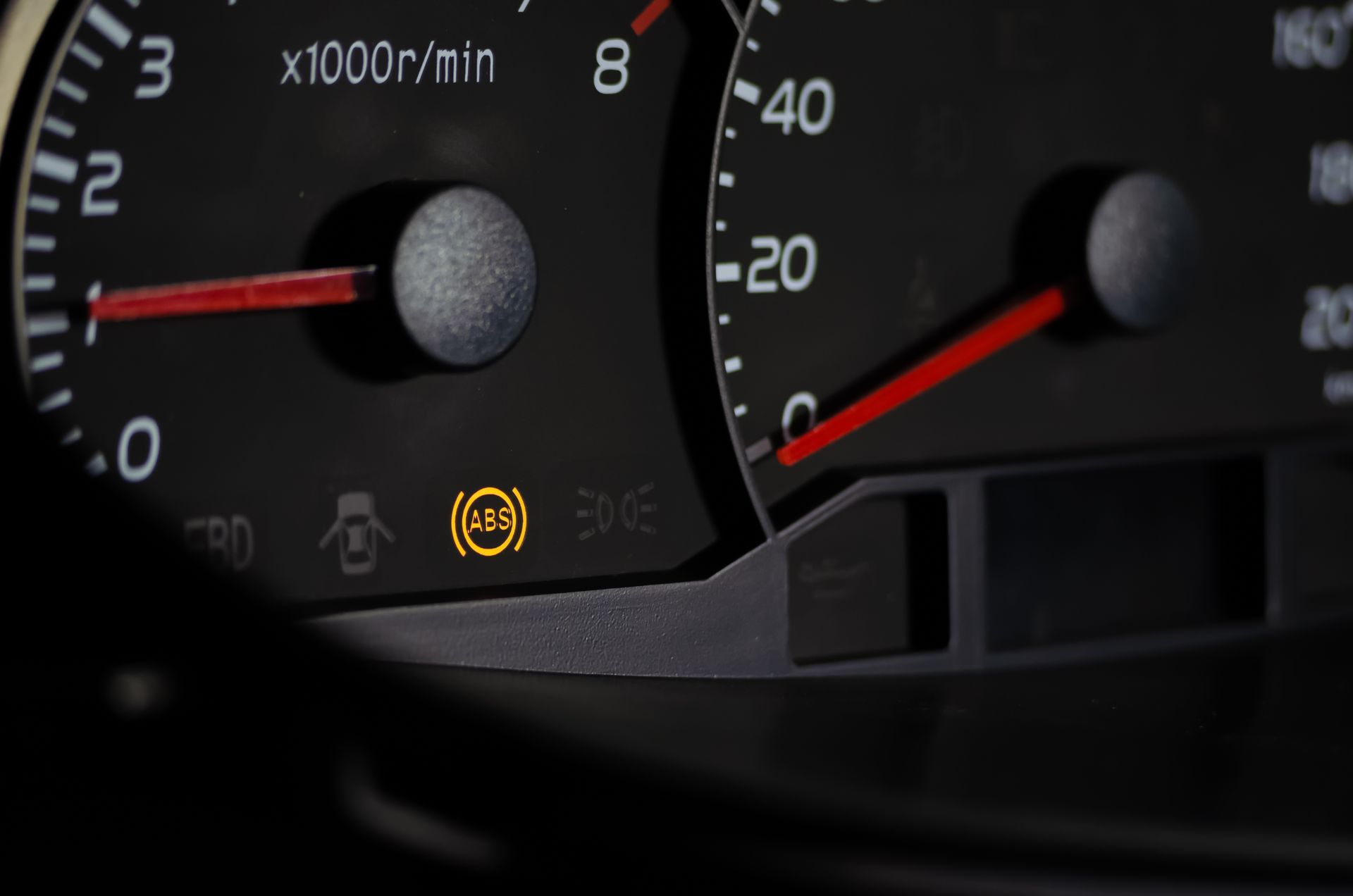
A solid light that stays on, especially together with reduced power, can mean the system has turned itself off because it detected a fault. The car may enter a limited-power mode to keep things safe. Some of the more common underlying issues we see include:
- Faulty wheel speed sensors or damaged sensor wiring
- A steering angle sensor that is out of calibration after suspension or steering work
- Problems with the ABS or stability control module
- Mismatched tire sizes or very uneven tire wear that confuses wheel speed readings
- Internal transmission or engine faults that trigger reduced power and bring the traction light along for the ride
From the driver’s seat, all of these can feel like the engine suddenly got lazy. That is why a scan for stored codes and live data is so helpful instead of guessing.
Driver Habits That Can Trigger Power Cuts More Often
Sometimes the car is not broken; it is just responding to how it is being driven and to the conditions. A few habits can make the traction light and power reduction show up more than necessary. These include:
- Stabbing the throttle hard from a stop on cold or wet tires
- Driving with worn rear tires and fresher fronts, which upsets traction balance
- Leaving the system off after pressing the traction control button on the dash
- Accelerating aggressively out of tight corners where the inside wheels unload
- Ignoring alignment and suspension problems that make the car unstable on bumps
You do not have to baby the car, but smoother inputs and healthy tires and suspension give the electronics less to fight with. Our technicians often see a big improvement in how often the light comes on once those basics are addressed.
What To Do On The Road When Power Suddenly Drops
If you are in traffic and feel the car bog down with the traction light on, first check your surroundings. If the road is wet, snowy, or rough, ease off the throttle slightly and let the system settle the wheels down. You should feel power come back within a second or two.
If the light stays on solid and the car continues to feel weak, move to the right lane and give yourself extra space. Avoid aggressive passing or merging until you can have the system checked. If any other warning lights appear at the same time, or if the transmission starts to shift oddly, treating it as a higher priority is wise.
How Technicians Diagnose Traction Control–Related Power Loss
When we diagnose this kind of complaint, we start by asking how and when it happens, then confirm the behavior on a test drive. After that, a scan tool lets us see stored trouble codes and live data from wheel speed sensors, steering angle, yaw sensors, and the engine and transmission modules.
A typical inspection might include:
- Checking wheel speed sensor readings at each corner while driving
- Verifying tire sizes, tread depth, and overall condition
- Inspecting wiring and connectors at ABS and traction components
- Confirming that the steering angle sensor and other calibration values are correct
- Looking for engine or transmission codes that could trigger reduced power
Once we know whether the system is responding to real wheel slip or to a sensor or module issue, we can recommend repairs that restore normal power without compromising safety systems.
Get Traction Control and Power Loss Diagnosis in Oregon City, OR with Mountain Tech Inc
We regularly deal with traction control and stability system complaints and know how to distinguish normal interventions from genuine faults that require repair. We can road test your vehicle, scan the modules, and check tires and suspension, so you know exactly why the car is losing power when that light comes on.
Call
Mountain Tech Inc in Oregon City, OR, to schedule a traction control and power loss diagnosis and get your vehicle feeling confident and responsive again.