
Why Is My Car Heater Blowing Cold Air

February 28, 2026

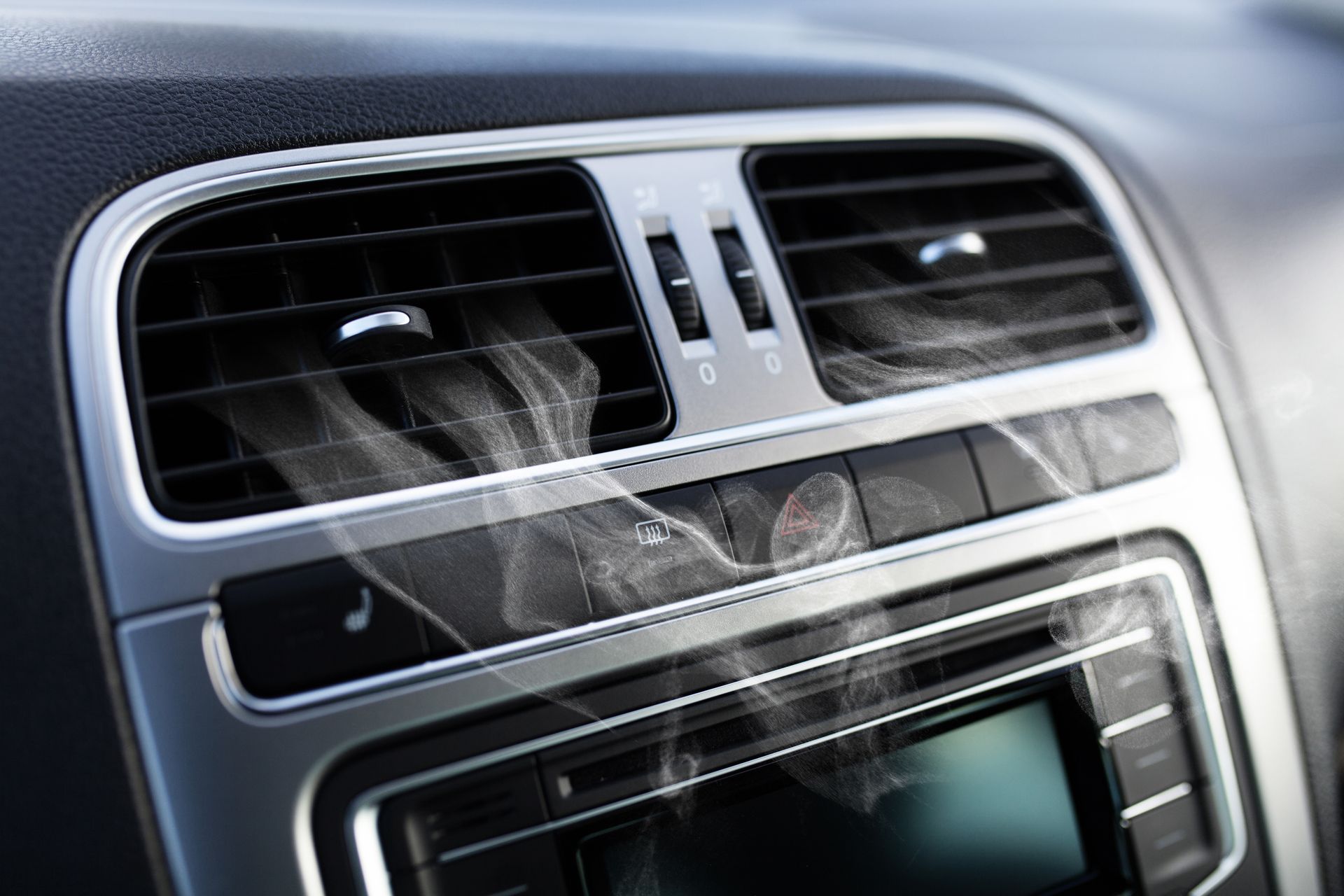
Few things are more frustrating than turning on your car heater during cold weather and feeling nothing but icy air coming from the vents. A properly functioning heater is essential for comfort and safety, especially during the winter months, when windshield defrosting depends on warm airflow. When your heater starts blowing cold air, it’s usually a sign that something isn’t working as it should. Understanding the possible causes can help you know when it’s a quick fix and when it’s time to visit a professional.


How Your Car Heater Works


Your car’s heating system relies on heat generated by the engine. As the engine runs, coolant absorbs heat and circulates through the system. Some of that hot coolant flows through the heater core, a small radiator located behind the dashboard. When you turn on the heater, air blows across the heater core, warms up, and flows into the cabin.


If any part of this process is interrupted, the heater won’t produce warm air.


Low Coolant Levels


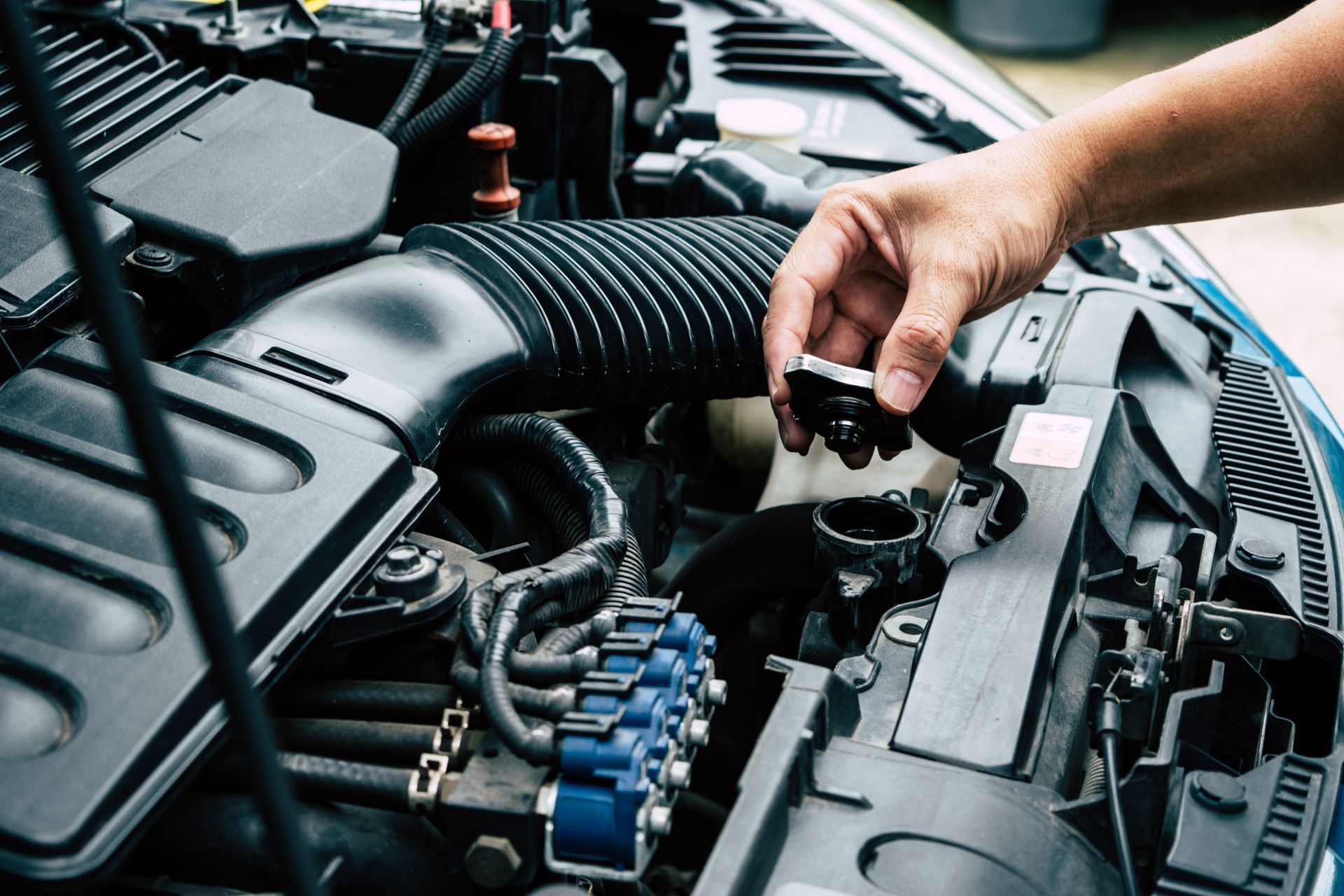
One of the most common reasons a heater blows cold air is low coolant. Without enough coolant, there isn’t enough heat to transfer to the heater core.


Low coolant can occur due to:


  • Leaks in hoses, the radiator, or the water pump
  • Evaporation over time
  • Neglected maintenance


When coolant levels drop, the heater is often among the first systems to exhibit symptoms. You may also notice the engine running hotter than normal or warning lights on the dashboard.


A Faulty Thermostat


The thermostat regulates how quickly your engine warms up and maintains the correct operating temperature. If the thermostat is stuck open, the engine may never fully warm up, which means the coolant doesn’t get hot enough to heat the cabin.


Signs of a bad thermostat include:


  • The temperature gauge is staying low
  • Heater blowing cold air even after long drives
  • Reduced fuel efficiency


This issue requires professional attention, as driving with a faulty thermostat can affect engine performance.


Clogged or Failing Heater Core


The heater core is essential for producing warm air inside the cabin. Over time, it can become clogged with debris, rust, or sediment from old coolant. When this happens, hot coolant can’t flow properly through the heater core.


Symptoms of a clogged heater core may include:


  • Weak or cold airflow from vents
  • A sweet smell inside the car
  • Foggy windows


In some cases, the heater core may leak, causing coolant loss and interior damage.


Air Trapped in the Cooling System


Air pockets can form in the cooling system after coolant service or due to leaks. These air bubbles prevent proper coolant circulation, especially through the heater core.


Trapped air often causes:


  • Inconsistent cabin heat
  • Gurgling noises behind the dashboard
  • Fluctuating engine temperatures


Properly bleeding the cooling system is necessary to restore normal heater operation.


Blend Door or Climate Control Issues


Modern vehicles use blend doors to control the amount of hot or cold air entering the cabin. If a blend door actuator fails, it may stay stuck in the cold position, even when the heater is turned on.


This issue is more common in vehicles with electronic climate control systems. Drivers may notice temperature changes that don’t respond to adjustments on the dashboard.


Water Pump Problems


The water pump circulates coolant throughout the engine and heater system. If it fails, coolant flow may be reduced or stopped entirely. A failing water pump can cause:


  • Heater blowing cold air
  • Engine overheating
  • Coolant leaks near the front of the engine


Water pump issues should be addressed immediately to avoid serious engine damage.


Why Heater Problems Shouldn’t Be Ignored


A heater blowing cold air isn’t just uncomfortable, but it can signal bigger problems. Many heater issues are tied directly to the engine cooling system. Ignoring the symptoms can lead to overheating, costly repairs, or even engine failure.


Additionally, without proper heat, your defroster may not clear fog or ice from your windshield, creating unsafe driving conditions.


Regular maintenance goes a long way in preventing heater problems. Coolant flushes, inspections, and timely repairs help ensure your heating system works when you need it most.


Address Your Heater Repair in Oregon City, OR


If your car heater is blowing cold air, it’s best to have it inspected sooner rather than later. Our experienced technicians at Mountain Tech Inc. can diagnose the issue, explain your options, and perform reliable repairs to restore your comfort and safety. Don’t spend another cold drive shivering behind the wheel. Contact our Oregon City auto repair shop today to schedule a heating system inspection and get your car blowing warm air again.
What Causes A Fuel Smell In The Cabin, And When Is It Dangerous? | Mountain Tech Inc.
January 30, 2026
Mountain Tech Inc. in Oregon City, OR, explains what causes a fuel smell in the cabin and when that odor becomes dangerous.
Why Does My Car Lose Power When the Traction Control Light Turns On? | Mountain Tech Inc.
December 19, 2025
Mountain Tech Inc. in Oregon City, OR, explains why a car may lose power when the traction control light turns on.
How to Prepare Your Car’s Cooling System for Oregon Winters? | Mountain Tech Inc.
November 28, 2025
Mountain Tech Inc. in Oregon City, OR, shares tips on checking coolant, hoses, and your thermostat before freezing temps hit.
Does My Car Engine Need a Throttle Body Cleaning or Replacement? | Mountain Tech Inc.
October 31, 2025
Mountain Tech Inc. in Oregon City, OR, explains how to tell if your throttle body needs a clean or a full replacement to fix poor performance.
Why Does My Car Have a Burning Smell on The Long Downhills? | Mountain Tech Inc.
September 26, 2025
Driving downhill for an extended period puts unique demands on your vehicle, especially when it comes to braking and engine performance. If you’ve ever noticed a burning smell while descending a steep grade, it can be concerning. Sometimes the odor is harmless, but in other cases, it signals that your brakes, transmission, or other components are overheating. Knowing what causes these smells and how to address them can help you prevent damage and drive more safely. Brakes Overheating on Long Descents The most common source of a burning smell during downhill driving is overheated brakes. When you ride the brakes continuously, friction builds up between the brake pads and rotors, producing intense heat. This heat can cause the pads to emit a sharp, acrid odor as the material begins to break down. In extreme cases, overheated brakes can lead to brake fade — a condition where your braking power is reduced because the pads and rotors are too hot to function properly. If you notice a burning smell accompanied by reduced stopping ability, pull over safely and allow the brakes to cool before continuing. To prevent this, use engine braking whenever possible. Downshift to a lower gear to let your engine help control speed rather than relying entirely on the brake pedal. This reduces stress on your braking system and keeps temperatures in check. Transmission Fluid Overheating If your car has an automatic transmission, long downhill drives can sometimes overwork the transmission and cause its fluid to overheat. Transmission fluid helps cool and lubricate internal parts, but when it gets too hot, it can produce a distinctive burnt odor. This is more likely if you’re carrying a heavy load or towing while descending a steep grade. An overheating transmission can lead to significant wear if ignored, so if you notice a persistent burning smell combined with gear slipping or delayed shifting, have the system inspected as soon as possible. Burning Smells From the Clutch For vehicles with manual transmissions, a burning smell on downhills may come from an overheated clutch. This happens if you ride the clutch pedal or keep partial pressure on it while trying to control your speed. The friction between the clutch disc and flywheel generates heat, which produces a noticeable odor. To avoid clutch overheating, fully engage or fully release the pedal rather than “feathering” it. Downshifting properly and letting the engine handle more of the braking can also help reduce stress on the clutch. Engine Oil or Coolant Leaks Sometimes the burning smell isn’t related to the brakes or transmission at all. Engine oil or coolant can leak onto hot engine components, such as the exhaust manifold, where it burns and produces strong odors. An oil leak typically creates a thick, bitter smell, while burning coolant produces a sweet, syrupy scent. If the smell continues even after normal driving, or if you see smoke under the hood, it’s important to have your vehicle inspected. Ignoring leaks can lead to overheating, reduced engine performance, and costly repairs. Worn or Contaminated Brake Pads Even when you’re braking properly, worn or low-quality brake pads can overheat more easily on steep descents. Some pads use materials that produce stronger odors when hot, especially if they’ve absorbed contaminants like oil or grease. Replacing them with high-quality pads designed for your driving needs can minimize these smells and improve braking performance. How to Prevent Burning Smells on Downhills A few simple driving habits can make a big difference when it comes to avoiding overheating and burning odors: Use lower gears to take advantage of engine braking and reduce reliance on your brakes. Avoid riding the brakes for long stretches; apply firm, short braking instead. Check your brake system regularly to ensure pads, rotors, and fluid are in good condition. Inspect for leaks if burning smells persist after normal driving conditions. These steps reduce strain on critical systems and help maintain control during extended downhill driving. Expert Brake and Transmission Care at Mountain Tech Inc. If you’ve noticed a burning smell while driving downhill, let the team at Mountain Tech Inc. in Oregon City, OR, inspect your vehicle. Our technicians can determine whether the odor comes from overheated brakes, transmission fluid, the clutch, or leaking engine fluids, and we’ll address the issue before it leads to bigger problems. Schedule an appointment with Mountain Tech Inc. today and enjoy peace of mind knowing your vehicle is ready for every climb and descent.
What Are the 6 Most Common Repairs We Do on Hyundai Vehicles? | Mountain Tech Inc.
August 29, 2025
Mountain Tech Inc. in Oregon City, OR, lists the six most common repairs performed on Hyundai vehicles.
Can a Specialized Toyota Mechanic Work on My Lexus as Well? | Mountain Tech Inc.
July 25, 2025
Mountain Tech Inc. in Oregon City, OR, explains why Toyota specialists are often well-qualified to service your Lexus too.
Is Acura Maintenance More Expensive Than Honda? | Mountain Tech Inc.
June 27, 2025
Mountain Tech Inc. in Oregon City, OR, explains the cost and service differences between Acura and Honda vehicles and what that means for long-term ownership.
How Potholes Damage Your Car’s Alignment | Mountain Tech
May 30, 2025
Mountain Tech in Oregon City, OR, explains how potholes affect your vehicle’s alignment and what symptoms to watch for after hitting one.
How Do I Know If My Brake Caliper Is Sticking? | Mountain Tech
April 25, 2025
Mountain Tech in Oregon City, OR, explains the signs of a sticking brake caliper. Learn how to spot the problem early and when to seek brake repair.