
ABS is one of those features many drivers are glad to have, but not everyone is fully sure how it works. We hear a lot of assumptions about anti-lock braking systems in our shop. Some people think ABS guarantees shorter stops every time. Others think it means they can brake hard without worrying about road conditions. And some drivers are caught off guard when the brake pedal vibrates for the first time under their foot and assume something is wrong.
The truth is, ABS is a valuable safety feature, but it has limits. It can help you maintain control during hard braking, especially in slippery conditions, but it does not override the laws of physics. It cannot give your tires the traction they lack, and it cannot make unsafe driving conditions disappear.
Understanding what ABS can and cannot do helps you use it more effectively and avoid the kind of misunderstandings that can lead to trouble on the road. From our perspective, the best safety features work even better when drivers know what to expect from them.
What ABS Actually Does
ABS stands for anti-lock braking system. Its job is to keep your wheels from locking up during hard or sudden braking. When wheels lock, the tires can slide across the road surface instead of continuing to roll. Once that happens, steering control is reduced, and the vehicle can become much harder to manage.
ABS helps prevent that by rapidly pulsing brake pressure when it senses that one or more wheels are about to lock. That quick pulsing action is much faster than a driver could pump the brakes manually. The result is that, in many situations, you are better able to keep steering while braking hard.
Myth #1: ABS Always Stops A Car Faster
This is probably the most common misunderstanding we hear. ABS can reduce stopping distance in many paved-road situations, especially when traction is uneven or limited. But it does not always stop a vehicle faster in every condition.
On loose surfaces, such as gravel or deep snow, a locked tire can sometimes build a wedge of material in front of it that helps slow the car down more quickly. ABS is designed to prevent wheel lock, so in those cases, the stopping distance may actually be longer even though the vehicle remains more steerable.
That does not mean ABS is a bad thing. It means the goal of ABS is not simply “shortest stop no matter what.” The goal is improved control during braking. In a real emergency, being able to steer around a hazard can be just as important as the actual stopping distance.
Myth #2: ABS Means You Can Brake Hard Without Skidding
ABS helps reduce wheel lockup, but it does not guarantee the car will never skid. If the road is slick enough or the speed is too high for the conditions, the vehicle can still slide. The tires still need traction to do their job.
Think of ABS as a system that helps you make the most of available traction. It does not create traction out of nowhere. If you are driving too fast in rain, ice, or snow, ABS cannot fully prevent the consequences.
We sometimes explain it to customers this way: ABS is a safety net, not a magic trick. It improves your odds in a tough situation, but it does not make road conditions irrelevant.
Myth #3: You Should Pump The Brakes If Your Car Has ABS
This advice was common before ABS became widespread, and some drivers still follow it out of habit. If your vehicle has ABS, you should not pump the brakes during a hard stop. The system is already doing that far more effectively than you can.
What you should do instead is apply firm, steady pressure to the brake pedal and let the system work. If you feel the pedal vibrate or pulse, that is normal during ABS activation. It can feel strange if you have never experienced it before, but it is usually a sign that the system is operating as intended.
Lifting your foot or pumping the brakes can interfere with how ABS works and reduce its effectiveness when you need it most.
Myth #4: A Vibrating Brake Pedal Means Something Is Wrong
This one causes a lot of unnecessary panic. When ABS activates, it is common to feel vibration, pulsing, or even a grinding-type sensation through the brake pedal. Some drivers also hear noise during hard braking. That can be completely normal.
The system is rapidly adjusting brake pressure to keep the wheels from locking. That activity can feel dramatic from the driver’s seat, especially if you are not expecting it.
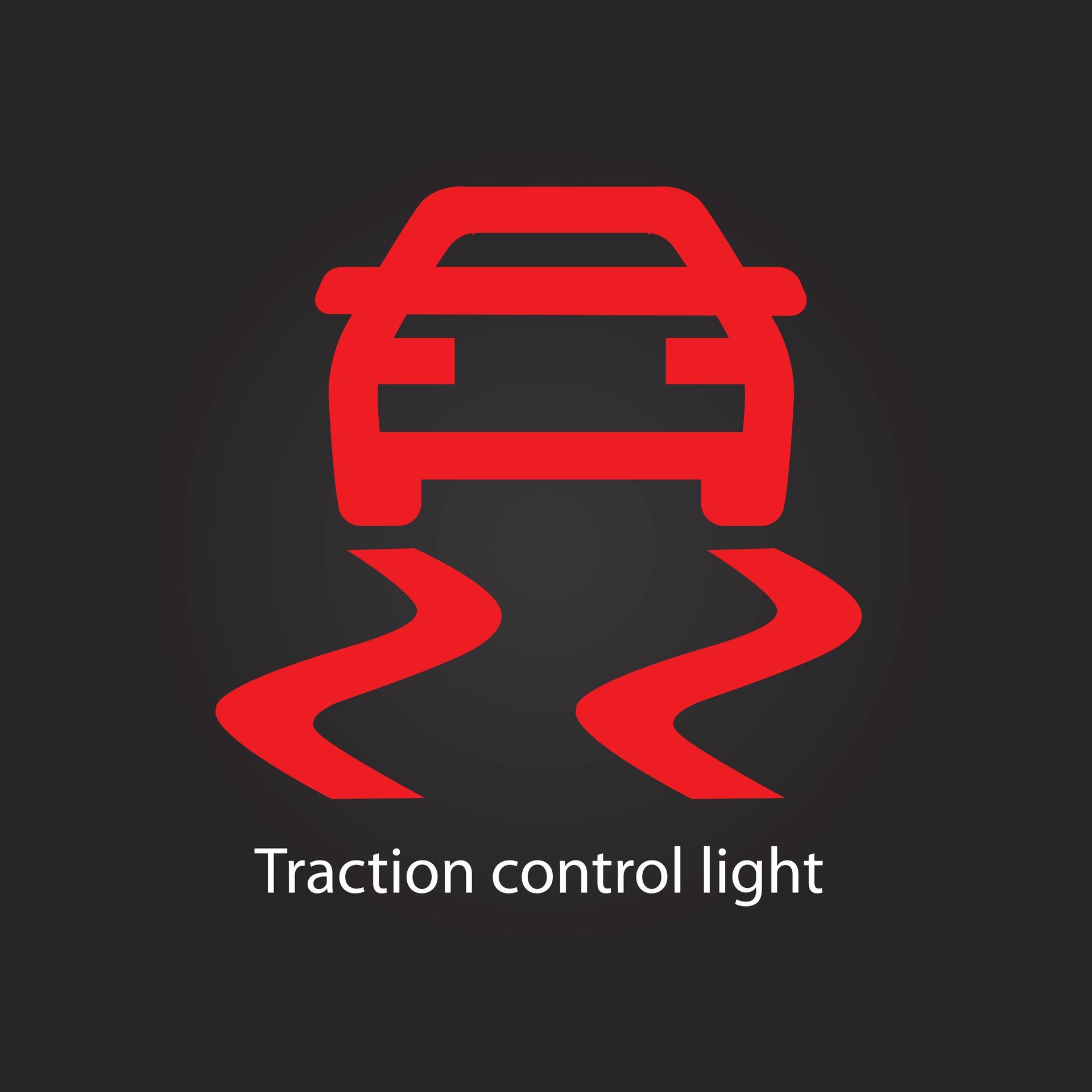
That said, not every unusual brake feel is normal. If the pedal vibrates during regular braking in everyday conditions, or if the ABS light is on, that is worth having checked. The key is understanding the difference between ABS working during an emergency stop and a brake system issue that shows up all the time.
What Your ABS Can Do
ABS is a helpful system, and it absolutely earns its place in modern vehicle safety. Here is what it is designed to help with:
- Prevent wheel lockup during hard braking
- Help maintain steering control in an emergency
- Improve stability when braking on wet or uneven surfaces
- Reduce the chances of a full, uncontrolled skid in many situations
Those are real benefits, and they matter. Many drivers have avoided worse outcomes because ABS helped them stay in control long enough to steer around danger or keep the vehicle more stable during a panic stop.
What Your ABS Cannot Do
This is where realistic expectations matter. ABS is important, but it has limits that every driver should understand:
- It cannot shorten every stop in every road condition
- It cannot overcome bald tires, poor alignment, or worn brakes
- It cannot make up for following too closely
- It cannot defeat ice, standing water, or excessive speed
- It cannot replace safe driving habits
We sometimes see drivers place too much confidence in vehicle technology and forget that the condition of the tires, brakes, suspension, and road surface all still matter. ABS is only one part of the overall safety picture.
Why Tire And Brake Condition Still Matter So Much
A properly working ABS system depends on the rest of the braking and traction system doing its part. If your tires are worn, your brake pads are thin, or your rotors are in poor shape, ABS has less to work with. It cannot make damaged or neglected parts perform like new.
This is one reason we encourage drivers not to think of ABS as a substitute for maintenance. The system is there to assist during emergencies, but day-to-day stopping power still depends heavily on the health of your brakes and tires.
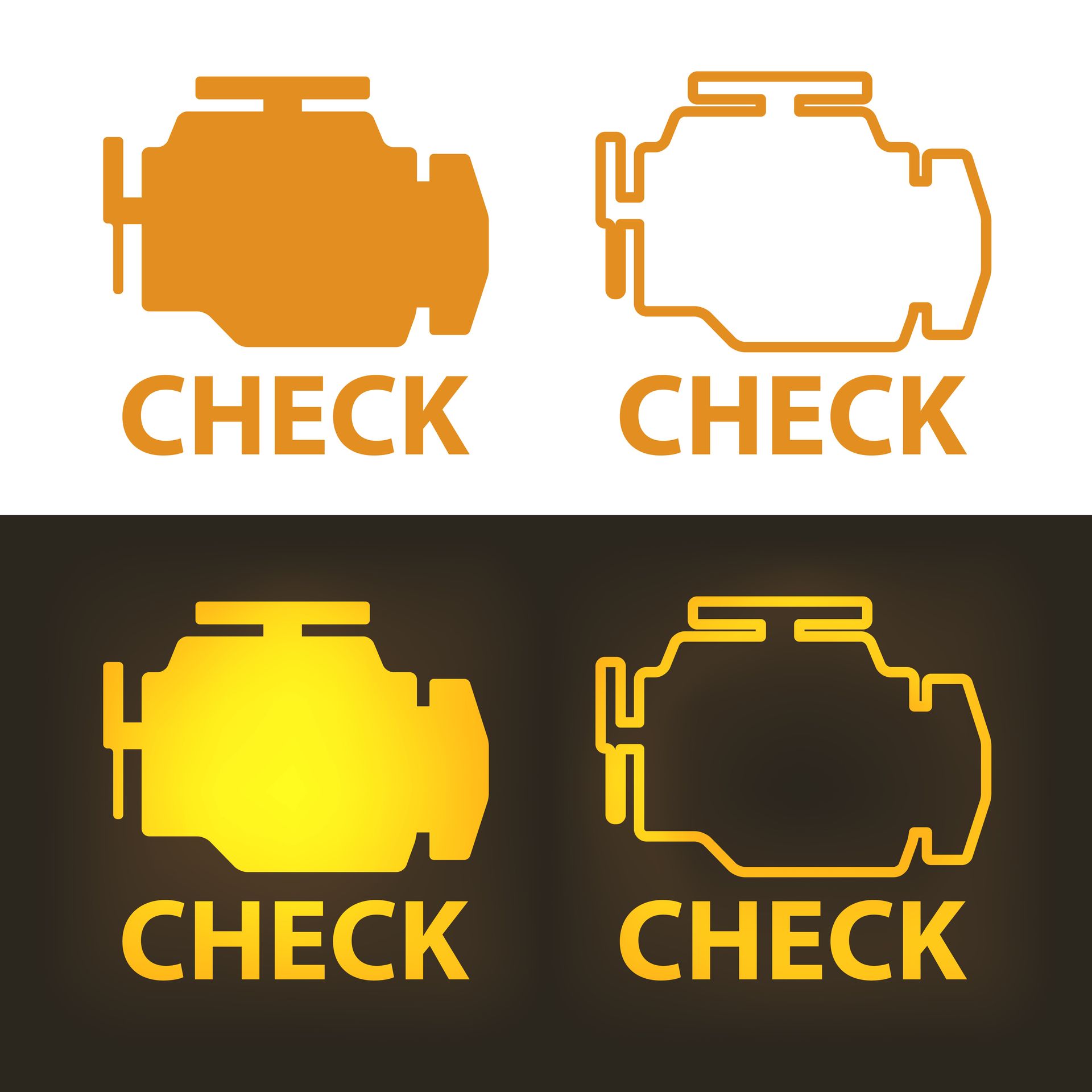
A vehicle with good ABS but poor tires can still be a problem waiting to happen. The same goes for a vehicle with an ABS warning light that has been ignored for months. When that light comes on, the system may be disabled or not functioning properly, and that means one of your safety backups may no longer be there when you need it.
Why ABS Myths Can Be Risky
Misunderstanding ABS can lead drivers to react the wrong way in an emergency. Some pump the brakes when they should hold steady pressure. Some assume they can stop just as quickly on snow or rain and follow other cars too closely. Others ignore warning lights because the car still seems to drive fine.
Those mistakes are understandable, but they can be dangerous. Knowing what ABS is meant to do helps you respond better under pressure and gives you a more realistic picture of what your vehicle can handle.
At our shop, we believe confident driving starts with clear information. Drivers should know what their car is capable of, what it is not capable of, and when a warning sign deserves attention.
ABS Repair at Mountain Tech Inc.
ABS is a smart and valuable safety feature, but it is not a cure-all. It can help you maintain control during hard braking, reduce wheel lockup, and improve stability in many situations. What it cannot do is ignore road conditions, replace traction, or make up for worn-out brakes and tires.
If your ABS light is on, your brakes feel off, or you want peace of mind about your braking system's performance, bring your vehicle to
Mountain Tech Inc. in Oregon City, OR. We can inspect your ABS, brakes, and tires, explain what we find in an easy way, and help make sure your car is ready to protect you when it matters most. Call us today or stop by to schedule a brake and ABS inspection.