
Is Subaru The Best Fit For Oregon Weather And Roads?

March 27, 2026

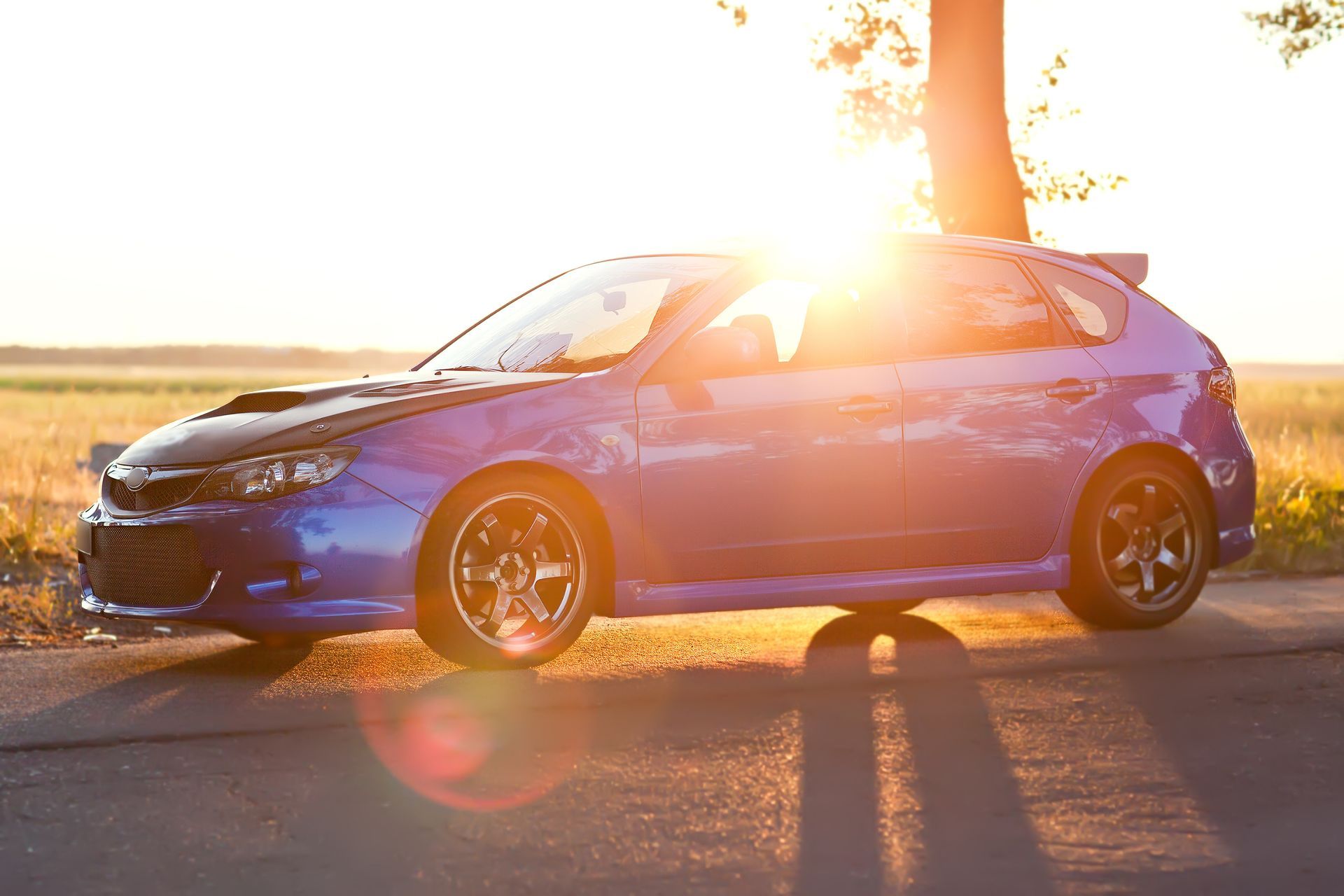
Subaru gets recommended in Oregon so often that it can start sounding like a reflex. Then you look at the price tag, the models, the fuel economy, and you wonder if it’s actually the right fit for your life or just local hype. The honest answer is that a Subaru can be a great match for Oregon, but it depends on where you drive, how you drive, and what you expect the car to handle.


Here’s a practical way to think about it before you commit.


Why Oregon Conditions Put Extra Demands On Vehicles


Oregon roads and weather are a mix. You can go from damp city streets to steep hills, gravel shoulders, and mountain passes in the same week. Rain is the big constant, and even when it’s not pouring, the roads stay slick longer because of shade, leaves, and mossy edges. That combination rewards vehicles with predictable traction and stable handling.


Potholes and rough patches are part of the picture too, especially after winter and heavy rain seasons. Suspension components, tires, and alignment take more hits, which is why regular maintenance matters here. A vehicle that rides well and holds alignment tends to feel less stressful to live with.


Where Subaru Often Makes Sense In Oregon


Subaru’s all-wheel drive is the headline feature for most drivers, and it’s genuinely useful in Oregon conditions. It helps on wet hills, gravel roads, and slick intersections where one tire might lose grip before the others. It’s also helpful for winter trips over passes, especially when the weather changes fast and the road surface is unpredictable.


Subaru models also tend to have ground clearance that’s practical without being truck-like. That matters when you deal with rough parking lots, uneven shoulders, and winter road debris. If you spend weekends outdoors, haul gear, or drive in areas where roads aren’t perfect, that clearance and traction combo can feel like the right tool.


Where Subaru Might Not Be The Best Fit


If your driving is mostly flat urban commuting and you rarely leave well-maintained roads, you may not get full value from all-wheel drive. You’ll still benefit in rain, but you’re paying for capability you might not use often. Some drivers also prefer a lighter, more efficient car if their routine is mostly highway and city streets.


Another consideration is that AWD is not a substitute for good tires. If you buy an AWD vehicle and run worn all-season tires through a wet Oregon winter, the confidence advantage drops sharply. Subaru works best when the tire choice matches the season and your routes.


Tires Matter More Than Most Drivers Expect


If Oregon rain is your main challenge, tires are the biggest difference-maker. AWD helps you get moving, but tires help you stop and turn. A good set of tires with solid wet traction and proper tread depth will do more for safety than AWD alone.


This is also where maintenance habits matter. Pressure checks, rotations, and alignment checks keep the car tracking straight and reduce hydroplane risk. If you want to get the best from any vehicle in Oregon, treat tires like a priority, not an afterthought.


Subaru Reliability And The Maintenance Reality


Subarus can be very dependable, but they are not maintenance-free. Like any modern vehicle, they rely on cooling system health, proper fluid service intervals, and attention to leaks and wear items. The drivetrain works hard in wet and hilly conditions, and keeping fluids and seals in good shape helps it last.


The good news is that most Subaru issues are predictable when the car is maintained consistently. Small leaks, worn suspension bushings, and aging belts and hoses are the same kind of wear items you see on many vehicles. A good inspection routine catches them early, which usually keeps repair costs more reasonable.


What To Check If You’re Shopping Used


If you are buying used, the best approach is to look for consistent service history and signs that the vehicle was cared for. Oregon conditions can be hard on suspension and tires, so check for uneven tire wear and listen for clunks over bumps. Also look for signs of coolant seepage and oil leaks around common sealing points.


It’s worth checking that AWD tires match closely in tread depth. Mismatched tires can stress AWD systems over time. A pre-purchase inspection is the best way to confirm what you are buying and avoid inheriting someone else’s deferred repairs.


How To Decide If Subaru Fits Your Lifestyle


If you regularly deal with wet hills, gravel roads, mountain trips, or unpredictable weather, Subaru is often a strong match. If your world is mostly flat commuting and you value maximum fuel economy above all, a front-wheel drive vehicle with excellent tires might be just as practical. The right choice comes down to how often you need the extra traction and clearance, not whether the badge is popular.


What we tell most drivers is simple: prioritize stable handling, good tires, and a maintenance plan you will actually follow. If Subaru aligns with those priorities for your routes, it’s a good fit. If not, there are plenty of other options that make sense in Oregon, too.


Get Vehicle Inspection In Oregon City, OR, With Mountain Tech Inc.


Mountain Tech Inc. in Oregon City, OR, can inspect your current vehicle or a used Subaru you are considering to help you understand its condition before you commit.


Book a visit and get clear guidance for Oregon driving.
February 28, 2026
Is your car heater blowing cold air? Learn the most common reasons, what it means, and when to seek professional repair from Mountain Tech Inc. in Oregon City, OR.
What Causes A Fuel Smell In The Cabin, And When Is It Dangerous? | Mountain Tech Inc.
January 30, 2026
Mountain Tech Inc. in Oregon City, OR, explains what causes a fuel smell in the cabin and when that odor becomes dangerous.
Why Does My Car Lose Power When the Traction Control Light Turns On? | Mountain Tech Inc.
December 19, 2025
Mountain Tech Inc. in Oregon City, OR, explains why a car may lose power when the traction control light turns on.
How to Prepare Your Car’s Cooling System for Oregon Winters? | Mountain Tech Inc.
November 28, 2025
Mountain Tech Inc. in Oregon City, OR, shares tips on checking coolant, hoses, and your thermostat before freezing temps hit.
Does My Car Engine Need a Throttle Body Cleaning or Replacement? | Mountain Tech Inc.
October 31, 2025
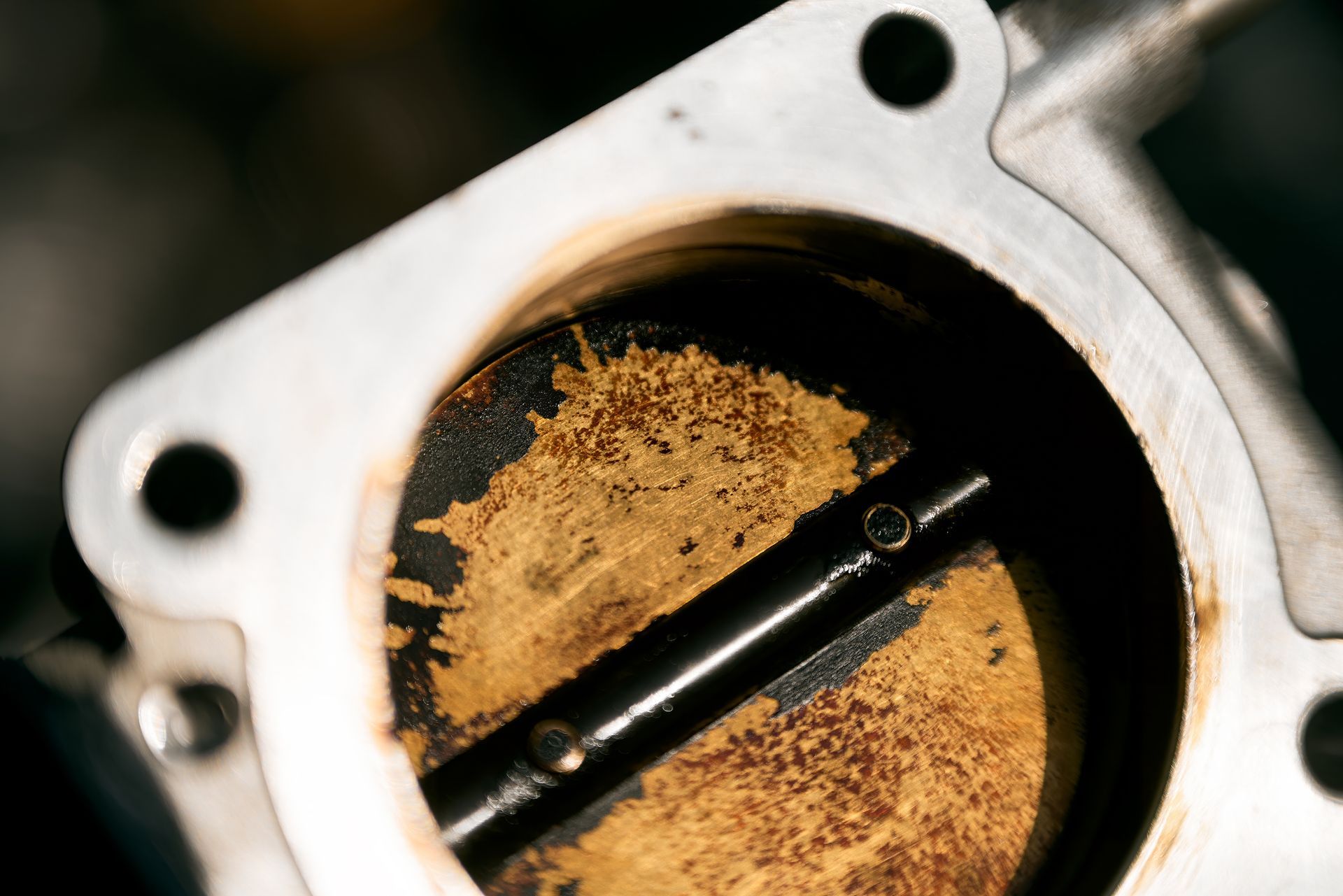
Mountain Tech Inc. in Oregon City, OR, explains how to tell if your throttle body needs a clean or a full replacement to fix poor performance.
Why Does My Car Have a Burning Smell on The Long Downhills? | Mountain Tech Inc.
September 26, 2025
Driving downhill for an extended period puts unique demands on your vehicle, especially when it comes to braking and engine performance. If you’ve ever noticed a burning smell while descending a steep grade, it can be concerning. Sometimes the odor is harmless, but in other cases, it signals that your brakes, transmission, or other components are overheating. Knowing what causes these smells and how to address them can help you prevent damage and drive more safely. Brakes Overheating on Long Descents The most common source of a burning smell during downhill driving is overheated brakes. When you ride the brakes continuously, friction builds up between the brake pads and rotors, producing intense heat. This heat can cause the pads to emit a sharp, acrid odor as the material begins to break down. In extreme cases, overheated brakes can lead to brake fade — a condition where your braking power is reduced because the pads and rotors are too hot to function properly. If you notice a burning smell accompanied by reduced stopping ability, pull over safely and allow the brakes to cool before continuing. To prevent this, use engine braking whenever possible. Downshift to a lower gear to let your engine help control speed rather than relying entirely on the brake pedal. This reduces stress on your braking system and keeps temperatures in check. Transmission Fluid Overheating If your car has an automatic transmission, long downhill drives can sometimes overwork the transmission and cause its fluid to overheat. Transmission fluid helps cool and lubricate internal parts, but when it gets too hot, it can produce a distinctive burnt odor. This is more likely if you’re carrying a heavy load or towing while descending a steep grade. An overheating transmission can lead to significant wear if ignored, so if you notice a persistent burning smell combined with gear slipping or delayed shifting, have the system inspected as soon as possible. Burning Smells From the Clutch For vehicles with manual transmissions, a burning smell on downhills may come from an overheated clutch. This happens if you ride the clutch pedal or keep partial pressure on it while trying to control your speed. The friction between the clutch disc and flywheel generates heat, which produces a noticeable odor. To avoid clutch overheating, fully engage or fully release the pedal rather than “feathering” it. Downshifting properly and letting the engine handle more of the braking can also help reduce stress on the clutch. Engine Oil or Coolant Leaks Sometimes the burning smell isn’t related to the brakes or transmission at all. Engine oil or coolant can leak onto hot engine components, such as the exhaust manifold, where it burns and produces strong odors. An oil leak typically creates a thick, bitter smell, while burning coolant produces a sweet, syrupy scent. If the smell continues even after normal driving, or if you see smoke under the hood, it’s important to have your vehicle inspected. Ignoring leaks can lead to overheating, reduced engine performance, and costly repairs. Worn or Contaminated Brake Pads Even when you’re braking properly, worn or low-quality brake pads can overheat more easily on steep descents. Some pads use materials that produce stronger odors when hot, especially if they’ve absorbed contaminants like oil or grease. Replacing them with high-quality pads designed for your driving needs can minimize these smells and improve braking performance. How to Prevent Burning Smells on Downhills A few simple driving habits can make a big difference when it comes to avoiding overheating and burning odors: Use lower gears to take advantage of engine braking and reduce reliance on your brakes. Avoid riding the brakes for long stretches; apply firm, short braking instead. Check your brake system regularly to ensure pads, rotors, and fluid are in good condition. Inspect for leaks if burning smells persist after normal driving conditions. These steps reduce strain on critical systems and help maintain control during extended downhill driving. Expert Brake and Transmission Care at Mountain Tech Inc. If you’ve noticed a burning smell while driving downhill, let the team at Mountain Tech Inc. in Oregon City, OR, inspect your vehicle. Our technicians can determine whether the odor comes from overheated brakes, transmission fluid, the clutch, or leaking engine fluids, and we’ll address the issue before it leads to bigger problems. Schedule an appointment with Mountain Tech Inc. today and enjoy peace of mind knowing your vehicle is ready for every climb and descent.
What Are the 6 Most Common Repairs We Do on Hyundai Vehicles? | Mountain Tech Inc.
August 29, 2025
Mountain Tech Inc. in Oregon City, OR, lists the six most common repairs performed on Hyundai vehicles.
Can a Specialized Toyota Mechanic Work on My Lexus as Well? | Mountain Tech Inc.
July 25, 2025
Mountain Tech Inc. in Oregon City, OR, explains why Toyota specialists are often well-qualified to service your Lexus too.
Is Acura Maintenance More Expensive Than Honda? | Mountain Tech Inc.
June 27, 2025
Mountain Tech Inc. in Oregon City, OR, explains the cost and service differences between Acura and Honda vehicles and what that means for long-term ownership.
How Potholes Damage Your Car’s Alignment | Mountain Tech
May 30, 2025
Mountain Tech in Oregon City, OR, explains how potholes affect your vehicle’s alignment and what symptoms to watch for after hitting one.