
How Do You Know When a Wheel Bearing Is Going Bad? Look Out For These Symptoms!

July 31, 2026

A bad wheel bearing usually does not start with a big failure. It starts as a sound you are not sure about. A faint hum on the highway. A growl that gets louder with speed. A rough feeling that seems to come from one corner of the vehicle. At first, it can be easy to blame the tires or the road surface.


That is what makes wheel bearing problems tricky. They can sound like tire noise, brake noise, or even drivetrain noise. The vehicle may still steer and stop normally for a while, but a worn bearing is not something to ignore. It supports the wheel, allows it to rotate, and handles the vehicle's weight and forces every mile.


What A Wheel Bearing Actually Does


A wheel bearing lets the wheel spin with very little friction while holding the wheel securely in place. It has to handle vehicle weight, road impacts, cornering force, braking force, and speed. That is a lot of work for a part most drivers never see.


Many modern vehicles use sealed wheel bearing or hub assemblies. They are not usually cleaned, repacked, or adjusted during routine service like older designs. Once the bearing inside starts wearing or getting rough, replacement is usually the proper repair.


A healthy bearing spins quietly and evenly. A worn one can become noisy, loose, hot, or rough, and these symptoms can affect tire wear, braking performance, steering feel, and safety.


The Most Common Symptom Is A Humming Or Growling Noise


The classic wheel bearing symptom is a humming, growling, roaring, or droning sound that changes with vehicle speed. It may start around 30 or 40 mph quietly and become more obvious on the highway.


A bad bearing often sounds steady and mechanical. Tire noise can change depending on pavement texture, but a wheel bearing noise tends to follow speed more than road surface. The faster the wheel spins, the louder or higher-pitched the sound may become.


Some drivers describe it as sounding like aggressive tire tread, even when the tires are not aggressive. Others say it sounds like a distant airplane or a rough rolling noise from one side of the car.


The Noise May Change When You Turn


A useful clue is whether the noise changes when the vehicle turns gently. When you turn, the vehicle’s weight shifts. That shift can load one bearing more than the other, making the noise louder or quieter for a moment.


For example, a noise that gets louder when turning left may point toward a bearing on the right side because the right side is carrying more load. A noise that changes when turning right may point toward the left side. That pattern is helpful, but it is not perfect because sound can travel through the body of the vehicle.


A road test and lift inspection are still needed. Tires, CV axles, brakes, and suspension parts can also make noises that change during turns.


Vibration Or Roughness Can Show Up Later


A wheel bearing may make noise long before the driver feels anything. As it gets worse, it can create vibration, roughness, or a loose feeling through the steering wheel, seat, or floor. The exact feeling depends on which bearing is failing and how worn it is.


If the bearing develops play, the wheel may move slightly in ways it should not. That can affect brake rotor position, tire wear, and steering feel. In some cases, the brake pedal can feel odd because the hub is not rotating cleanly.


A bearing with visible looseness is more serious than one that only has an early hum. Once movement is present, the vehicle should be checked quickly.


Warning Signs A Wheel Bearing May Be Failing


Symptoms of wheel bearings can overlap with those of tires, brakes, and suspension. These clues are worth paying attention to:


  • A humming or growling sound gets louder as speed increases, especially if the noise is steady and does not change much across different pavement types.
  • The noise changes during gentle turns, which can happen when the vehicle’s weight loads one side of the bearing more heavily.
  • A rough vibration appears through the steering wheel, seat, or floor, especially if it follows vehicle speed rather than engine RPM.
  • One wheel area feels hotter than the others after driving, which can happen when a bearing is causing extra friction or when a nearby part is dragging.
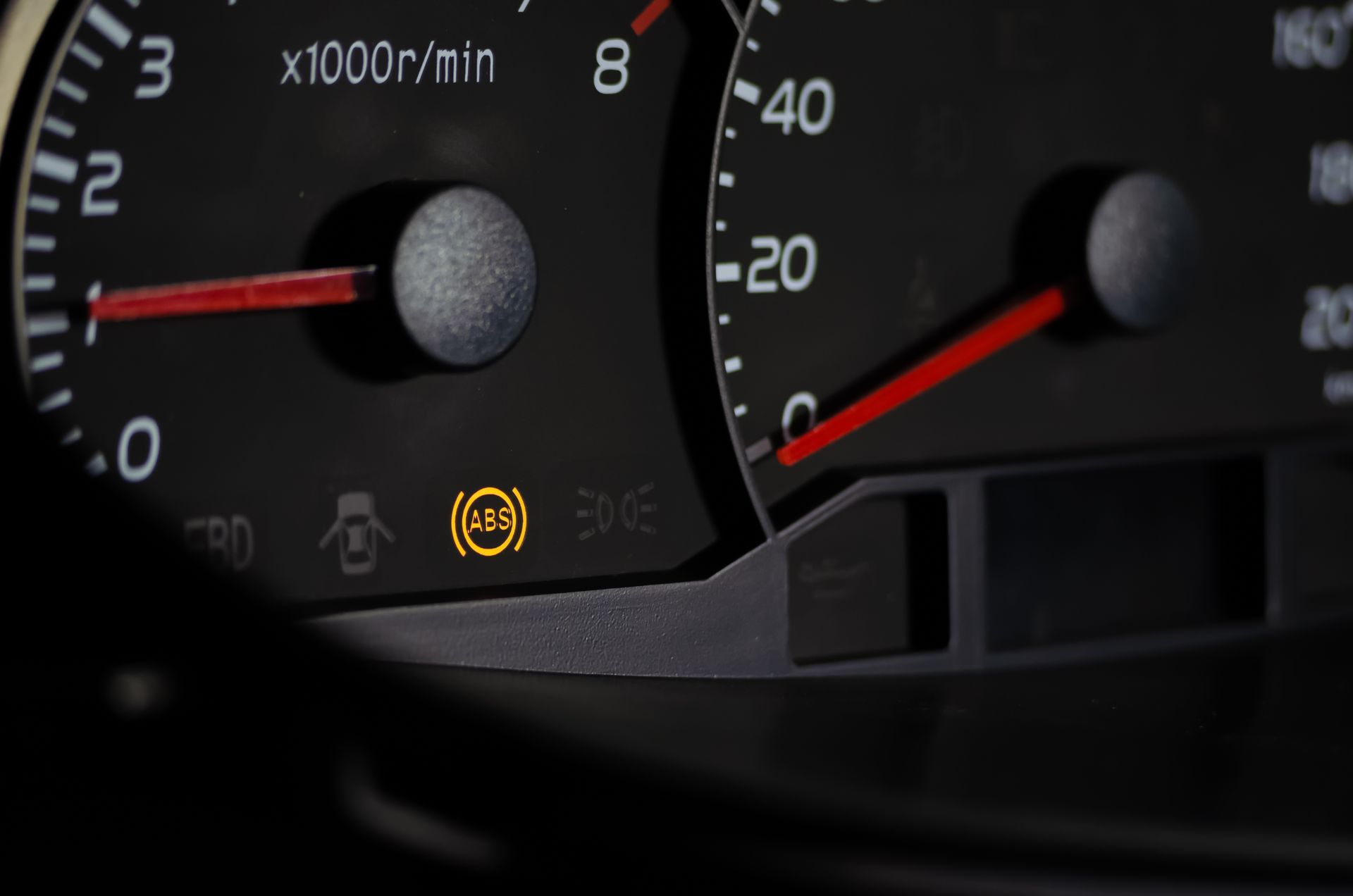
  • The ABS or traction control light comes on because some hub assemblies include wheel speed sensors that can be affected by bearing wear or hub movement.
  • The tire on one corner wears strangely, since a loose bearing can let the wheel move slightly, altering how the tire meets the road.


These signs do not prove the bearing by themselves, but they are strong reasons to have the wheel, hub, tire, brake, and suspension checked.


Why Wheel Bearing Noise Gets Misdiagnosed


Wheel bearing noise can be hard to distinguish from tire noise because tire noise can sound almost identical. Cupped tires, uneven tread wear, aggressive tread patterns, or damaged tires can all create a humming or roaring sound. Brakes can also scrape, grind, or hum in certain conditions.


That is why replacing a bearing based only on sound can be risky. A proper inspection may include a road test, tire tread check, wheel bearing play check, brake inspection, and listening to the hub area while the vehicle is lifted. In some cases, special listening tools help locate the noise more accurately.


The goal is to avoid replacing the wrong corner. Noise can travel, and what sounds like the front right from inside the cabin may come from somewhere else.


Why A Bad Wheel Bearing Should Not Be Ignored


A worn wheel bearing can affect more than comfort. As wear increases, friction and heat can build. If the bearing becomes loose, the wheel is no longer held as firmly as it should be. That can affect handling, braking, tire wear, and nearby parts.


Waiting too long can also make the repair more involved. A failing bearing can damage the hub, axle, wheel speed sensor, or brake components depending on the vehicle design. What starts as a humming noise can become a safety concern if the bearing continues to wear.


Regular maintenance and early inspection help catch these problems before the noise becomes severe. If you hear a new wheel noise, especially one that changes with speed, it is better to check it before a longer drive.


Get Wheel Bearing Repair In Oregon City, OR, With Mountain Tech Inc.


If your vehicle has a humming, growling, or roaring sound, vibration, wheel noise, or an ABS warning that may point to a bad wheel bearing, Mountain Tech Inc. in Oregon City, OR, can inspect the bearings, hubs, tires, brakes, and suspension.


For wheel bearing repair before a small noise becomes a bigger safety concern, contact us to schedule an appointment.
How to Tell If Your Engine Is Misfiring And That Is Causing the Blinking Check Engine Light
June 26, 2026
Mountain Tech Inc. in Oregon City, OR, explains how to tell if an engine misfire is causing a blinking check engine light.
5 Signs Your Subaru Needs Professional Auto Repair | Mountain Tech Inc.
May 29, 2026
Mountain Tech Inc., Oregon City, OR, explains five signs your Subaru may need professional auto repair.
ABS Myths Debunked: What Your Car Can And Can’t Do | Mountain Tech Inc.
April 23, 2026
ABS helps drivers maintain control during hard braking, but it has limits. Learn what your car can and can’t do at Mountain Tech Inc. in Oregon City, OR.
Is Subaru The Best Fit For Oregon Weather And Roads? | Mountain Tech Inc.
March 27, 2026
Mountain Tech Inc. in Oregon City, OR, explains how Oregon weather and roads affect vehicle fit and key features.
February 28, 2026
Is your car heater blowing cold air? Learn the most common reasons, what it means, and when to seek professional repair from Mountain Tech Inc. in Oregon City, OR.
What Causes A Fuel Smell In The Cabin, And When Is It Dangerous? | Mountain Tech Inc.
January 30, 2026
Mountain Tech Inc. in Oregon City, OR, explains what causes a fuel smell in the cabin and when that odor becomes dangerous.
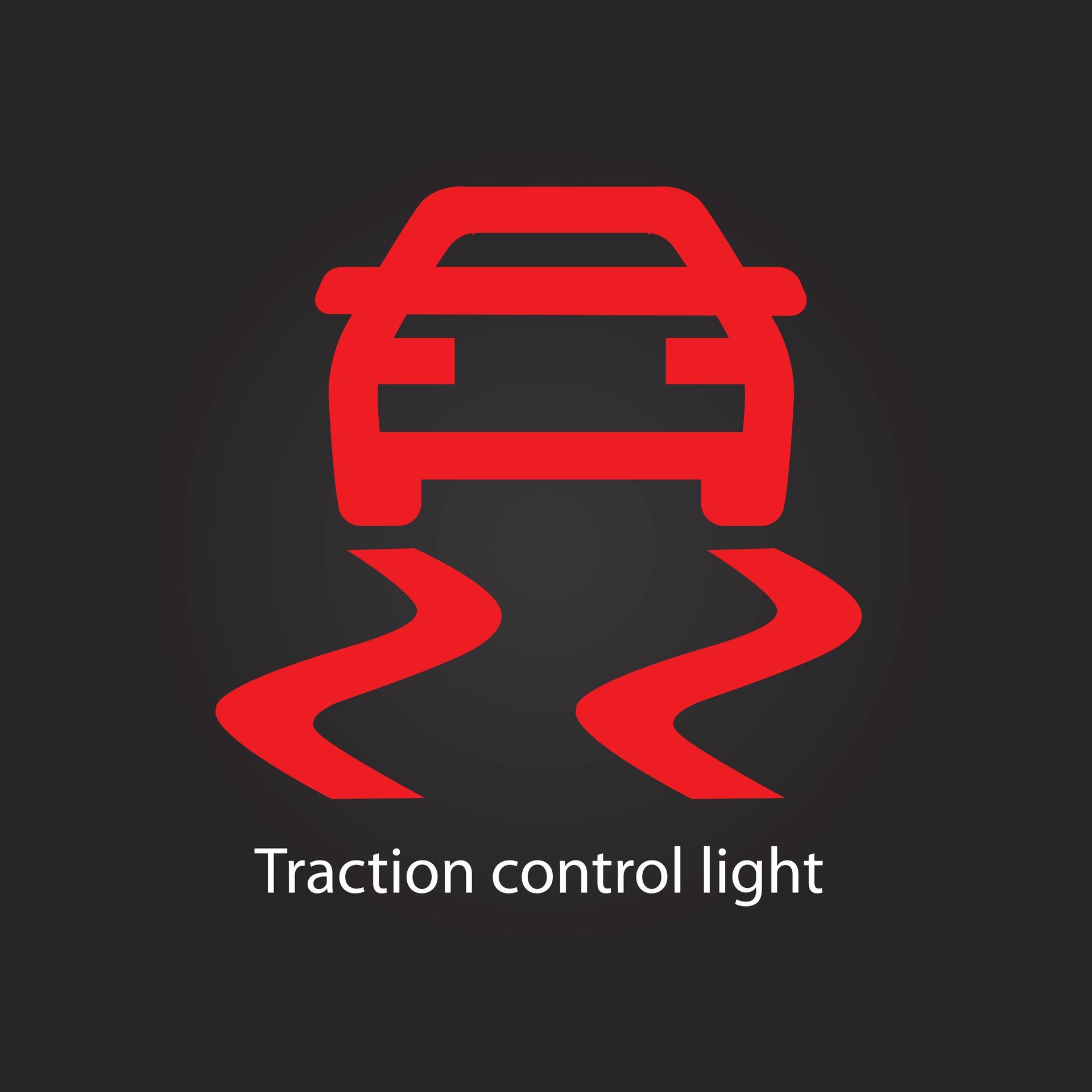
Why Does My Car Lose Power When the Traction Control Light Turns On? | Mountain Tech Inc.
December 19, 2025
Mountain Tech Inc. in Oregon City, OR, explains why a car may lose power when the traction control light turns on.
How to Prepare Your Car’s Cooling System for Oregon Winters? | Mountain Tech Inc.
November 28, 2025
Mountain Tech Inc. in Oregon City, OR, shares tips on checking coolant, hoses, and your thermostat before freezing temps hit.
Does My Car Engine Need a Throttle Body Cleaning or Replacement? | Mountain Tech Inc.
October 31, 2025
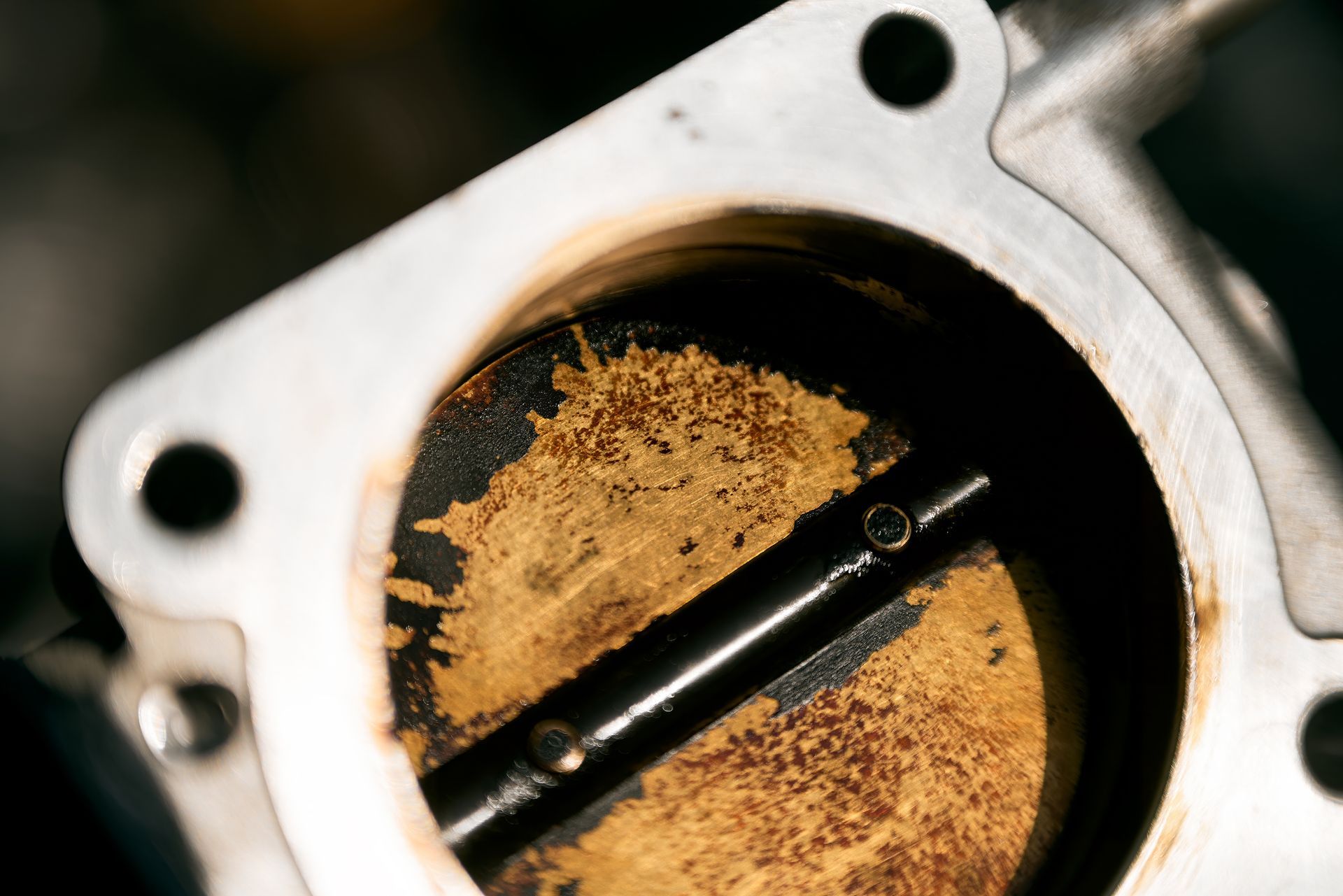
Mountain Tech Inc. in Oregon City, OR, explains how to tell if your throttle body needs a clean or a full replacement to fix poor performance.
Why Does My Car Have a Burning Smell on The Long Downhills? | Mountain Tech Inc.
September 26, 2025
Driving downhill for an extended period puts unique demands on your vehicle, especially when it comes to braking and engine performance. If you’ve ever noticed a burning smell while descending a steep grade, it can be concerning. Sometimes the odor is harmless, but in other cases, it signals that your brakes, transmission, or other components are overheating. Knowing what causes these smells and how to address them can help you prevent damage and drive more safely. Brakes Overheating on Long Descents The most common source of a burning smell during downhill driving is overheated brakes. When you ride the brakes continuously, friction builds up between the brake pads and rotors, producing intense heat. This heat can cause the pads to emit a sharp, acrid odor as the material begins to break down. In extreme cases, overheated brakes can lead to brake fade — a condition where your braking power is reduced because the pads and rotors are too hot to function properly. If you notice a burning smell accompanied by reduced stopping ability, pull over safely and allow the brakes to cool before continuing. To prevent this, use engine braking whenever possible. Downshift to a lower gear to let your engine help control speed rather than relying entirely on the brake pedal. This reduces stress on your braking system and keeps temperatures in check. Transmission Fluid Overheating If your car has an automatic transmission, long downhill drives can sometimes overwork the transmission and cause its fluid to overheat. Transmission fluid helps cool and lubricate internal parts, but when it gets too hot, it can produce a distinctive burnt odor. This is more likely if you’re carrying a heavy load or towing while descending a steep grade. An overheating transmission can lead to significant wear if ignored, so if you notice a persistent burning smell combined with gear slipping or delayed shifting, have the system inspected as soon as possible. Burning Smells From the Clutch For vehicles with manual transmissions, a burning smell on downhills may come from an overheated clutch. This happens if you ride the clutch pedal or keep partial pressure on it while trying to control your speed. The friction between the clutch disc and flywheel generates heat, which produces a noticeable odor. To avoid clutch overheating, fully engage or fully release the pedal rather than “feathering” it. Downshifting properly and letting the engine handle more of the braking can also help reduce stress on the clutch. Engine Oil or Coolant Leaks Sometimes the burning smell isn’t related to the brakes or transmission at all. Engine oil or coolant can leak onto hot engine components, such as the exhaust manifold, where it burns and produces strong odors. An oil leak typically creates a thick, bitter smell, while burning coolant produces a sweet, syrupy scent. If the smell continues even after normal driving, or if you see smoke under the hood, it’s important to have your vehicle inspected. Ignoring leaks can lead to overheating, reduced engine performance, and costly repairs. Worn or Contaminated Brake Pads Even when you’re braking properly, worn or low-quality brake pads can overheat more easily on steep descents. Some pads use materials that produce stronger odors when hot, especially if they’ve absorbed contaminants like oil or grease. Replacing them with high-quality pads designed for your driving needs can minimize these smells and improve braking performance. How to Prevent Burning Smells on Downhills A few simple driving habits can make a big difference when it comes to avoiding overheating and burning odors: Use lower gears to take advantage of engine braking and reduce reliance on your brakes. Avoid riding the brakes for long stretches; apply firm, short braking instead. Check your brake system regularly to ensure pads, rotors, and fluid are in good condition. Inspect for leaks if burning smells persist after normal driving conditions. These steps reduce strain on critical systems and help maintain control during extended downhill driving. Expert Brake and Transmission Care at Mountain Tech Inc. If you’ve noticed a burning smell while driving downhill, let the team at Mountain Tech Inc. in Oregon City, OR, inspect your vehicle. Our technicians can determine whether the odor comes from overheated brakes, transmission fluid, the clutch, or leaking engine fluids, and we’ll address the issue before it leads to bigger problems. Schedule an appointment with Mountain Tech Inc. today and enjoy peace of mind knowing your vehicle is ready for every climb and descent.