
A Subaru can feel steady and dependable for years, which is one reason owners sometimes wait until the first warning sign appears. A little noise, a small leak, or one dashboard light can seem easy to live with if the car still gets through the day.
The problem is that Subaru issues do not always stay small. All-wheel drive, boxer engines, cooling systems, suspension parts, and modern electronics all need the right attention when something starts changing. Knowing the early signs can help you schedule auto repair before the problem spreads.
1. The Check Engine Light Comes On
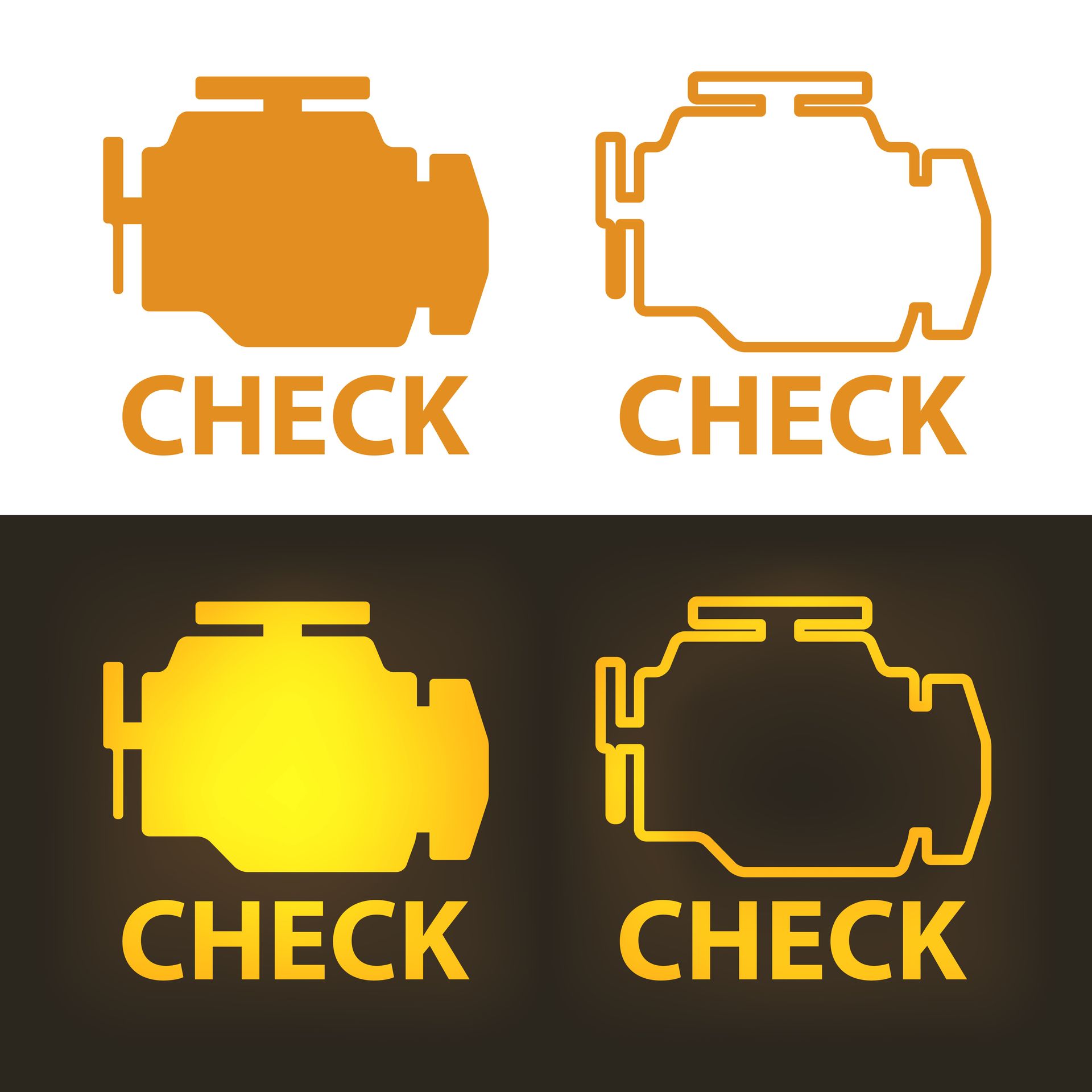
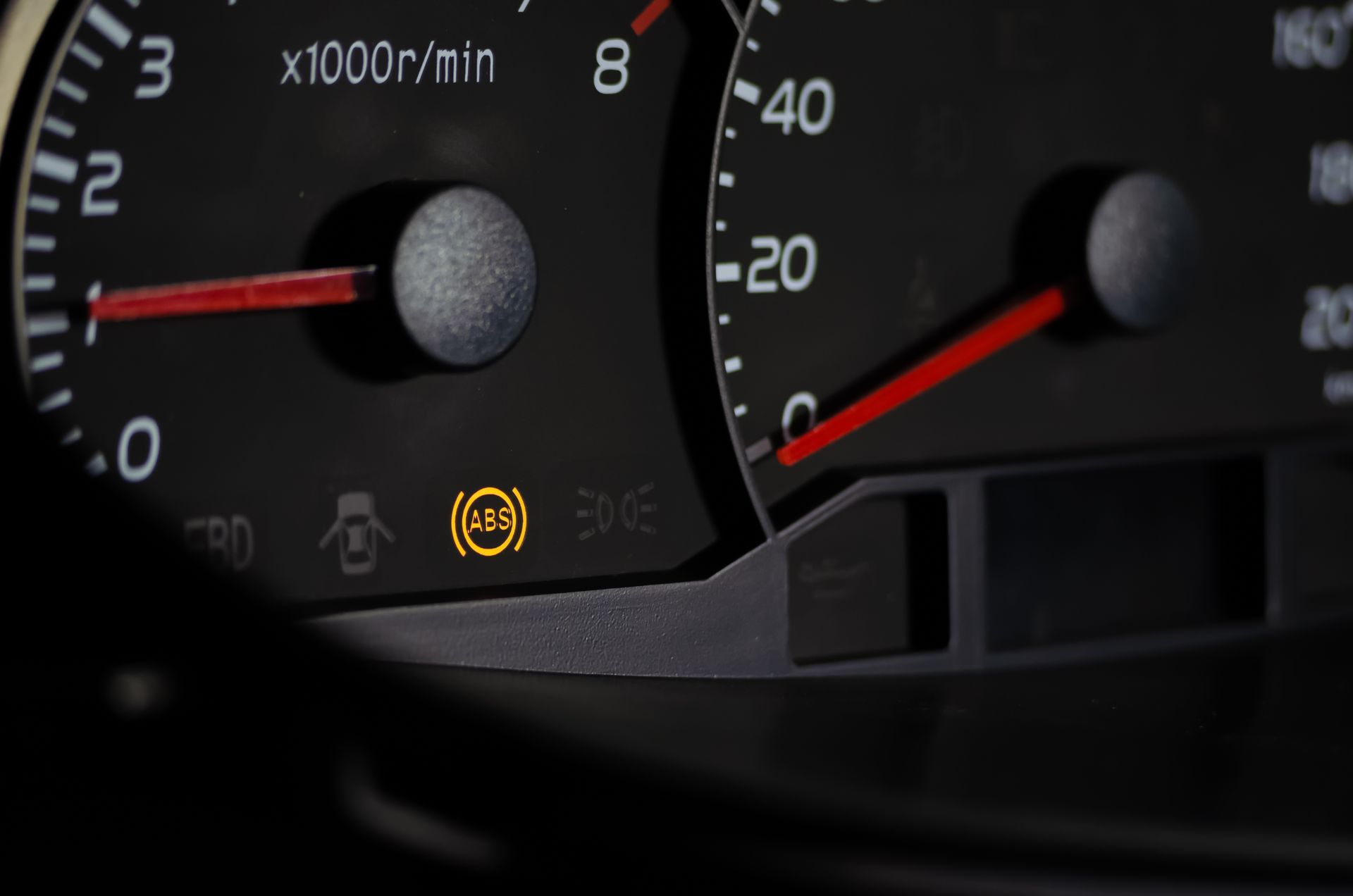
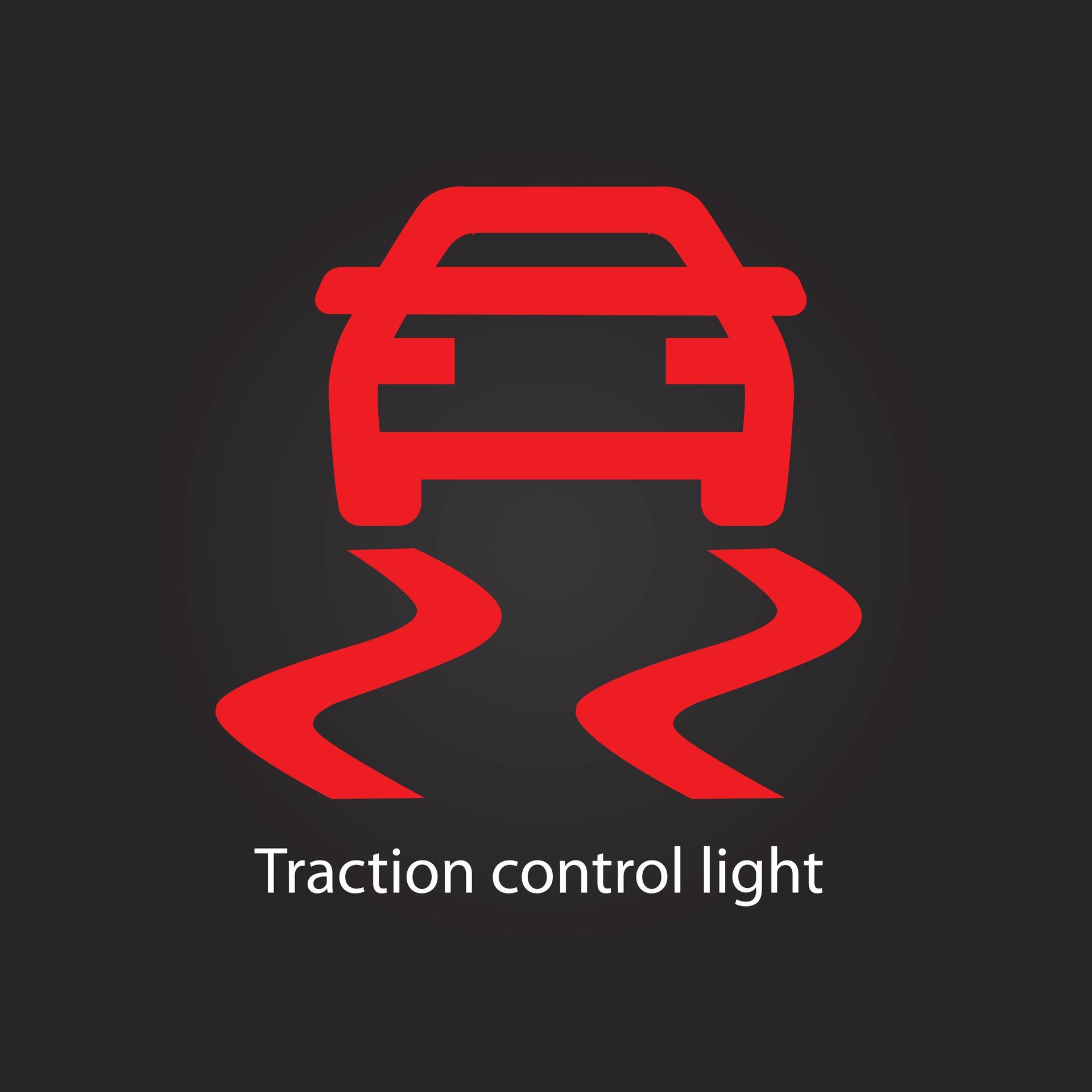
A check engine light is one of the clearest signs your Subaru needs professional attention. The light can point to many different systems, including ignition, emissions, fuel control, airflow, oxygen sensors, catalytic converter performance, or EVAP leaks. The car might still drive normally, but the computer has already seen something outside its expected range.
A flashing check engine light is more urgent. That can point to an active misfire, which can damage the catalytic converter if the vehicle continues to be driven. Our technicians read the codes, check live data, and test the related systems before deciding what needs repair. A code is useful, but it is not the whole answer.
2. You Notice Oil Or Coolant Leaks
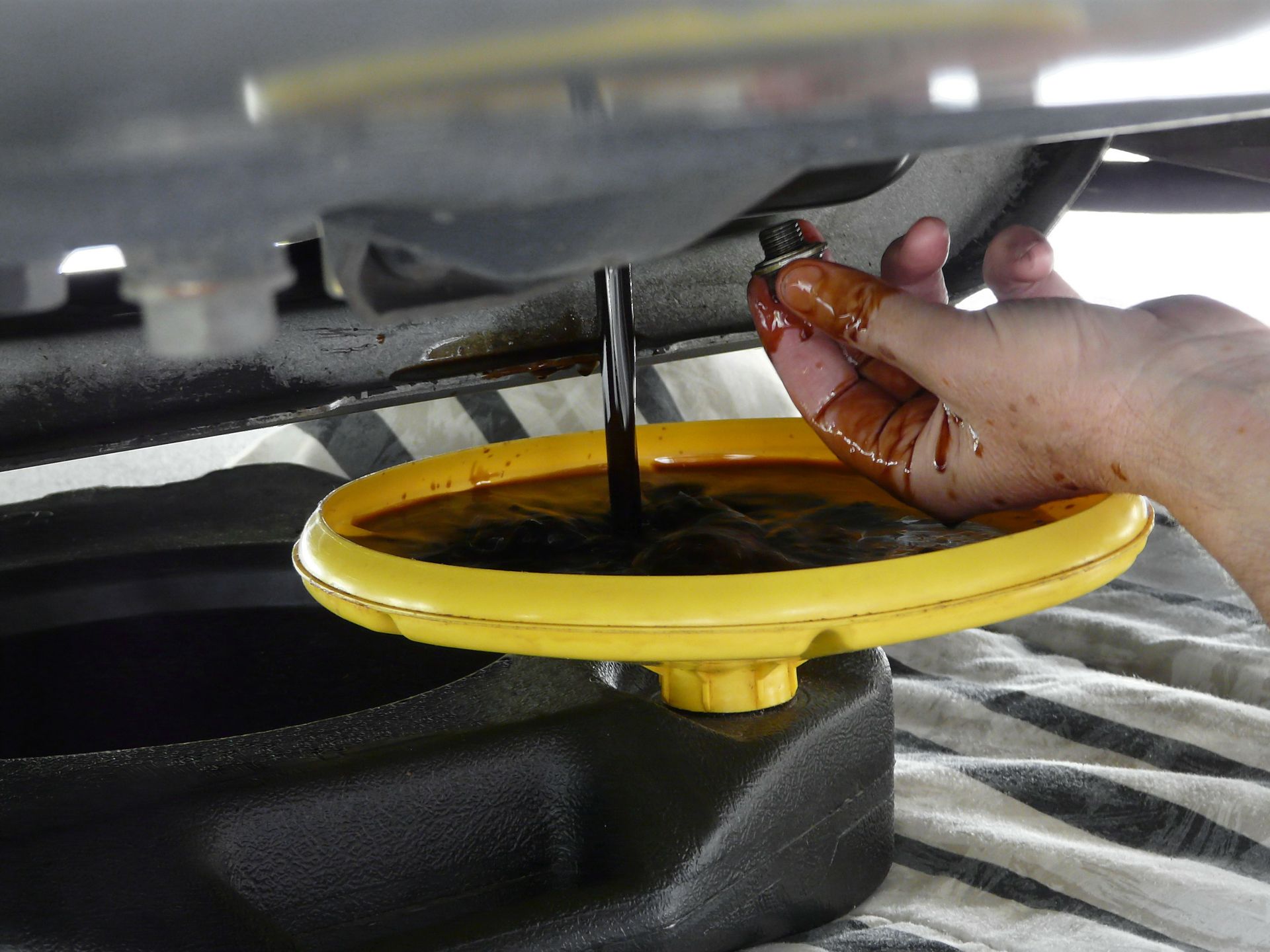
Subaru vehicles can develop fluid leaks as seals, gaskets, hoses, and fittings age. Oil leaks can show up as spots on the ground, a burning smell, or residue around the engine. Coolant leaks can leave a sweet smell, a low coolant level, dried crust near hoses, or a temperature gauge that starts climbing.
Neither leak should be treated as normal. Oil protects internal engine parts, and coolant keeps the engine from overheating. If either level drops too far, the repair can move beyond the original leak. A proper inspection can confirm where the fluid is coming from before the leak worsens or causes damage nearby.
3. The Car Starts Making New Noises
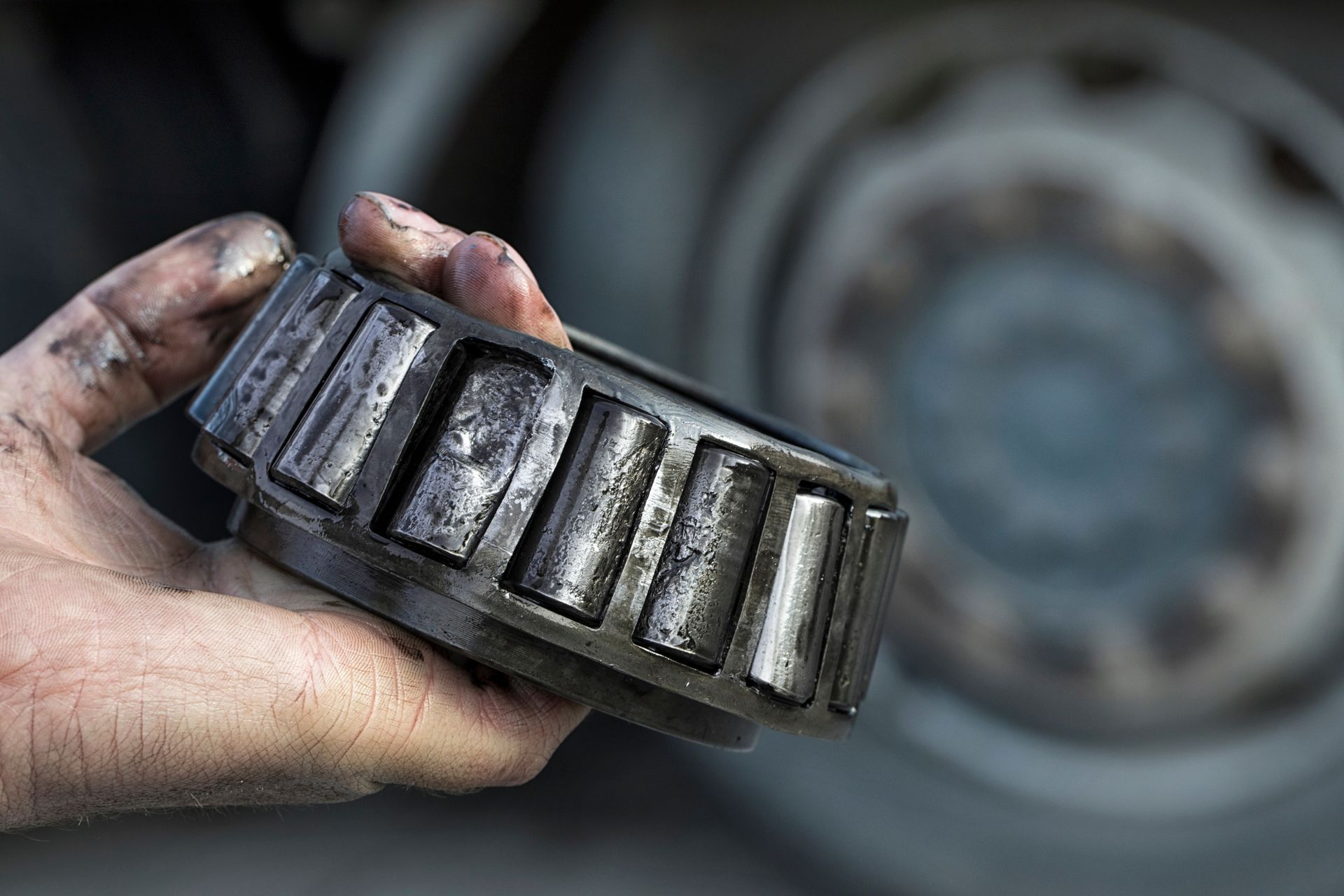
A new noise is worth paying attention to, especially if it gets louder or changes with speed, steering, braking, or engine RPM. Subaru owners might hear clicking from a CV axle, humming from a wheel bearing, knocking over bumps, grinding from the brakes, or ticking from the engine area.
The sound alone does not always identify the failed part. A front-end clunk can come from sway bar links, struts, bushings, or ball joints. A humming noise can be tire wear or a wheel bearing. We examine when the noise occurs and test the related parts so the repair is based on evidence, not just the sound from the driver’s seat.
4. The Subaru Feels Rough, Weak, Or Hesitant
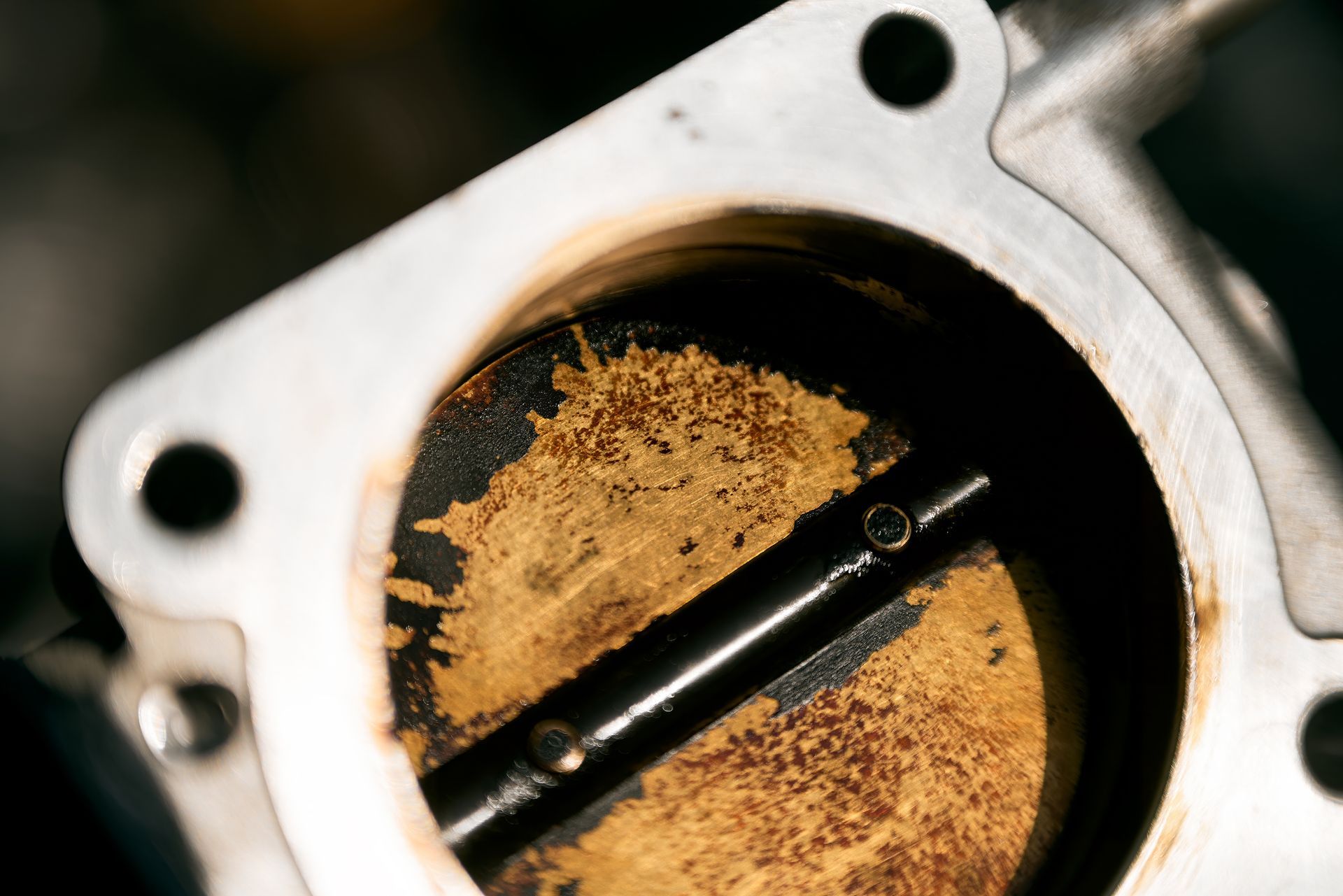
A Subaru that feels rough at idle, hesitates during acceleration, or feels weaker than normal needs a closer look. Spark plugs, ignition coils, fuel injectors, vacuum leaks, dirty sensors, and exhaust restrictions can all affect how the engine runs. On some models, carbon buildup or sensor problems can also make the engine feel less responsive.
These symptoms can feel mild at first. The vehicle might run fine once it warms up or only stumble under load. That does not mean it should be ignored. Small performance changes can turn into misfires, poor fuel economy, or emissions problems if the cause is left alone.
5. The Ride, Steering, Or Braking Feels Different
Subaru's all-wheel drive gives many drivers confidence, but the vehicle still depends on healthy tires, brakes, steering, and suspension. If the car pulls, shakes, bounces, clunks, or feels unstable, the problem should be checked before it affects tire wear or control.
Brake vibration can point to rotor or caliper issues. Pulling can result from alignment issues, tire wear, brake wear, or suspension wear. Uneven tire wear can be especially important on all-wheel-drive vehicles because tire condition affects how the drivetrain works. Regular maintenance helps catch those patterns before they create more expensive repairs.
Why Subaru Problems Should Be Checked Early
Subaru vehicles are known for being practical and capable, but they still need timely care. Waiting through warning lights, leaks, noises, or handling changes can make the repair more expensive. A small coolant leak can lead to overheating. A misfire can damage the converter. A worn suspension part can ruin tires.
Professional auto repair helps separate normal wear from a developing problem. That is especially helpful when symptoms overlap. A rough ride, for example, might involve tires, suspension, brakes, or alignment. A clear check keeps the repair focused and helps prevent repeat issues.
Get Subaru Auto Repair In Oregon City, OR, With Mountain Tech Inc.
If your Subaru has a warning light, a leak, noise, rough performance, or a change in handling, Mountain Tech Inc. in Oregon City, OR, can inspect the vehicle and identify the cause.