
How to Tell If Your Engine Is Misfiring And That Is Causing the Blinking Check Engine Light

June 26, 2026

A blinking check engine light is different from a steady one. It usually means the engine is misfiring badly enough that the vehicle’s computer is warning you about possible damage. The car might shake, lose power, smell strange, or feel like it is struggling every time you press the gas.


That kind of warning should not be treated like a reminder you can get to later. A misfire can damage the catalytic converter, waste fuel, and make the vehicle unsafe to drive in traffic. The sooner the cause is addressed, the better your chance of keeping the repair from spreading into the exhaust system.


What An Engine Misfire Feels Like


An engine misfire happens when one or more cylinders fail to burn fuel correctly. The engine depends on a clean mix of air, fuel, spark, and compression. If one of those is missing or out of balance, the engine does not fire evenly.


From the driver’s seat, a misfire can feel like shaking, stumbling, jerking, hesitation, or rough idle. You might feel it more when accelerating, climbing a hill, or sitting at a stoplight. In some cases, the vehicle feels like it is losing power for a moment, then recovers.


Why The Check Engine Light Blinks


A blinking check engine light is the vehicle’s way of saying the misfire is active and potentially harmful. When a cylinder misfires, unburned fuel can pass into the exhaust. That fuel can overheat the catalytic converter and cause expensive damage if the car is kept running.


A steady check engine light still needs attention, but a blinking light deserves faster action. If the light blinks while the engine is shaking or losing power, it is best to reduce driving and have the vehicle checked as soon as possible. Continuing to push the engine can turn a repairable misfire into a larger problem.


Spark Plugs And Ignition Coils Are Common Causes


Spark plugs and ignition coils are common causes of misfires. Spark plugs wear over time, and worn plugs can struggle to ignite the fuel mixture. Ignition coils can weaken, fail under load, or act up when heat builds in the engine bay.


The symptom can feel worse during acceleration because the engine needs a stronger spark under load. A bad coil or worn plug can cause one cylinder to misfire repeatedly. Regular maintenance helps prevent spark plug wear from getting too far, but coils can still fail without much warning.


Fuel And Air Problems Can Also Cause Misfires


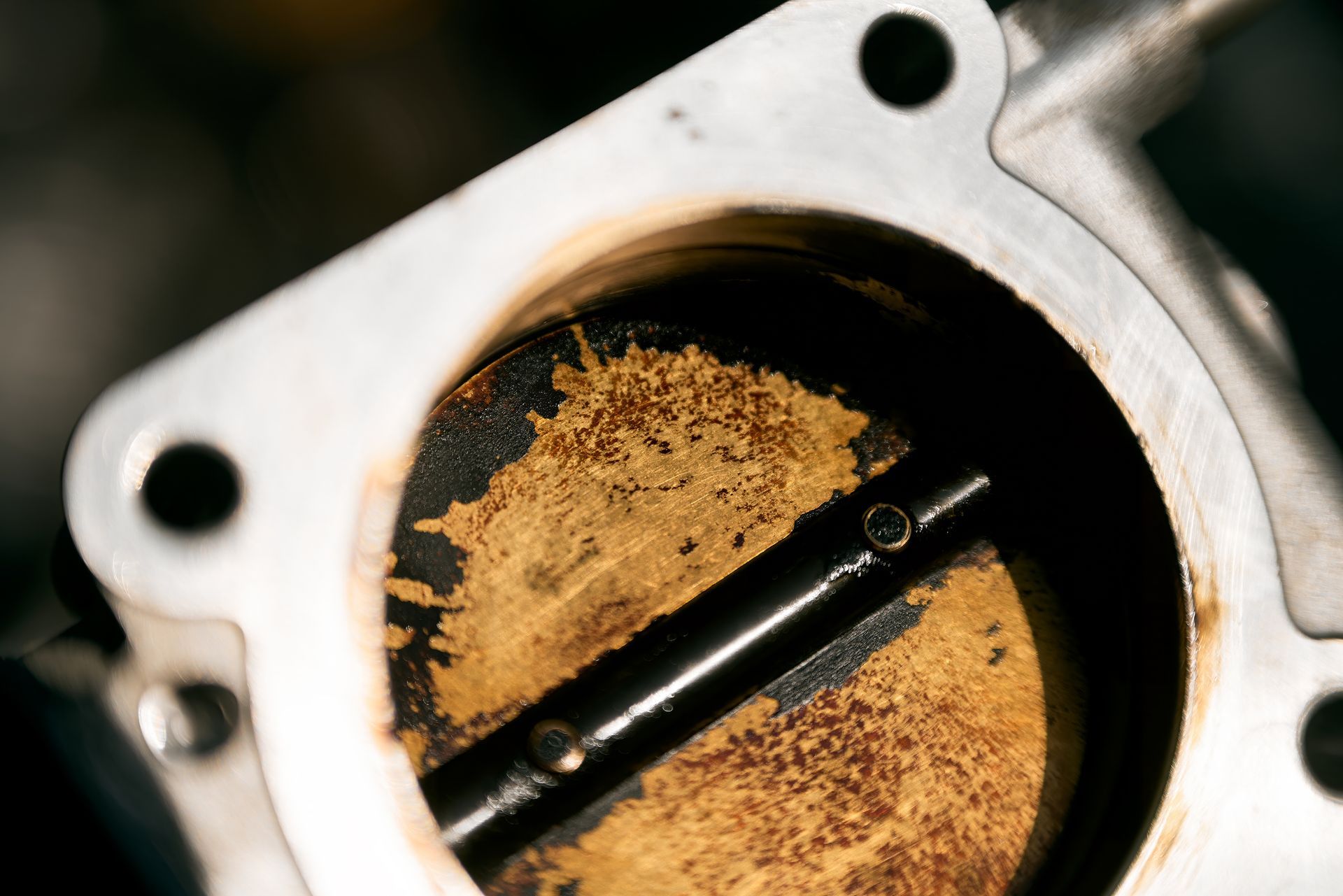
The engine needs the right amount of fuel and air to run correctly. Dirty fuel injectors, weak fuel pressure, vacuum leaks, intake leaks, a dirty throttle body, or a faulty sensor can all upset that balance. When the mixture is too lean or too rich, combustion can become uneven.


A misfire caused by fuel or air issues can feel similar to an ignition problem. That is why replacing spark plugs without testing can miss the cause. The fuel system, intake system, and sensor data all need to be reviewed when the misfire is not clearly tied to a single ignition component.


Mechanical Problems Need To Be Ruled Out


Some misfires come from deeper engine problems. Low compression, valve issues, timing problems, head gasket trouble, or internal wear can keep a cylinder from firing correctly. These problems can cause rough running that persists after basic ignition or fuel repairs.


Mechanical misfires need careful testing. Compression testing, leak-down testing, vacuum readings, and other checks can help show whether the engine itself has a problem. A careful inspection keeps the repair process grounded instead of turning it into parts replacement.


What To Do When The Light Starts Blinking


If the check engine light starts blinking, pay attention to how the vehicle feels. If it is shaking, losing power, or smelling like fuel, avoid hard acceleration and find a safe place to stop. Driving a short distance to get out of traffic is one thing. Continuing a long trip is another.


If the light stops blinking and becomes steady, the problem still needs to be checked. The computer may have stored misfire codes that can help point toward the affected cylinder. Those codes are useful, but they are only the starting point for testing.


Why Misfire Diagnostics Should Be Done Carefully


A scan tool can identify misfire codes, but it does not always prove which part failed. A cylinder misfire code could be caused by a spark plug, coil, injector, wiring issue, vacuum leak, fuel pressure problem, sensor fault, or mechanical concern. The symptoms and test results need to match before repairs are recommended.


Good diagnostics also protect the catalytic converter. If unburned fuel has been entering the exhaust, the converter should be checked for damage or restriction. Fixing the misfire quickly gives the exhaust system a better chance of staying intact.


Get Engine Misfire Repair In Oregon City, OR, With Mountain Tech Inc.


If your engine is shaking, hesitating, losing power, or showing a blinking check engine light, Mountain Tech Inc. in Oregon City, OR, can test the ignition, fuel, air, compression, and exhaust systems to find the cause.
To repair an engine misfire before the problem damages more parts, contact us to schedule an appointment.

How Do You Know When a Wheel Bearing Is Going Bad? Look Out For These Symptoms! | Mountain Tech Inc.
July 31, 2026
Mountain Tech Inc. in Oregon City, OR, explains the warning signs of a bad wheel bearing.
5 Signs Your Subaru Needs Professional Auto Repair | Mountain Tech Inc.
May 29, 2026
Mountain Tech Inc., Oregon City, OR, explains five signs your Subaru may need professional auto repair.
ABS Myths Debunked: What Your Car Can And Can’t Do | Mountain Tech Inc.
April 23, 2026
ABS helps drivers maintain control during hard braking, but it has limits. Learn what your car can and can’t do at Mountain Tech Inc. in Oregon City, OR.
Is Subaru The Best Fit For Oregon Weather And Roads? | Mountain Tech Inc.
March 27, 2026
Mountain Tech Inc. in Oregon City, OR, explains how Oregon weather and roads affect vehicle fit and key features.
February 28, 2026
Is your car heater blowing cold air? Learn the most common reasons, what it means, and when to seek professional repair from Mountain Tech Inc. in Oregon City, OR.
What Causes A Fuel Smell In The Cabin, And When Is It Dangerous? | Mountain Tech Inc.
January 30, 2026
Mountain Tech Inc. in Oregon City, OR, explains what causes a fuel smell in the cabin and when that odor becomes dangerous.
Why Does My Car Lose Power When the Traction Control Light Turns On? | Mountain Tech Inc.
December 19, 2025
Mountain Tech Inc. in Oregon City, OR, explains why a car may lose power when the traction control light turns on.
How to Prepare Your Car’s Cooling System for Oregon Winters? | Mountain Tech Inc.
November 28, 2025
Mountain Tech Inc. in Oregon City, OR, shares tips on checking coolant, hoses, and your thermostat before freezing temps hit.
Does My Car Engine Need a Throttle Body Cleaning or Replacement? | Mountain Tech Inc.
October 31, 2025
Mountain Tech Inc. in Oregon City, OR, explains how to tell if your throttle body needs a clean or a full replacement to fix poor performance.
Why Does My Car Have a Burning Smell on The Long Downhills? | Mountain Tech Inc.
September 26, 2025
Driving downhill for an extended period puts unique demands on your vehicle, especially when it comes to braking and engine performance. If you’ve ever noticed a burning smell while descending a steep grade, it can be concerning. Sometimes the odor is harmless, but in other cases, it signals that your brakes, transmission, or other components are overheating. Knowing what causes these smells and how to address them can help you prevent damage and drive more safely. Brakes Overheating on Long Descents The most common source of a burning smell during downhill driving is overheated brakes. When you ride the brakes continuously, friction builds up between the brake pads and rotors, producing intense heat. This heat can cause the pads to emit a sharp, acrid odor as the material begins to break down. In extreme cases, overheated brakes can lead to brake fade — a condition where your braking power is reduced because the pads and rotors are too hot to function properly. If you notice a burning smell accompanied by reduced stopping ability, pull over safely and allow the brakes to cool before continuing. To prevent this, use engine braking whenever possible. Downshift to a lower gear to let your engine help control speed rather than relying entirely on the brake pedal. This reduces stress on your braking system and keeps temperatures in check. Transmission Fluid Overheating If your car has an automatic transmission, long downhill drives can sometimes overwork the transmission and cause its fluid to overheat. Transmission fluid helps cool and lubricate internal parts, but when it gets too hot, it can produce a distinctive burnt odor. This is more likely if you’re carrying a heavy load or towing while descending a steep grade. An overheating transmission can lead to significant wear if ignored, so if you notice a persistent burning smell combined with gear slipping or delayed shifting, have the system inspected as soon as possible. Burning Smells From the Clutch For vehicles with manual transmissions, a burning smell on downhills may come from an overheated clutch. This happens if you ride the clutch pedal or keep partial pressure on it while trying to control your speed. The friction between the clutch disc and flywheel generates heat, which produces a noticeable odor. To avoid clutch overheating, fully engage or fully release the pedal rather than “feathering” it. Downshifting properly and letting the engine handle more of the braking can also help reduce stress on the clutch. Engine Oil or Coolant Leaks Sometimes the burning smell isn’t related to the brakes or transmission at all. Engine oil or coolant can leak onto hot engine components, such as the exhaust manifold, where it burns and produces strong odors. An oil leak typically creates a thick, bitter smell, while burning coolant produces a sweet, syrupy scent. If the smell continues even after normal driving, or if you see smoke under the hood, it’s important to have your vehicle inspected. Ignoring leaks can lead to overheating, reduced engine performance, and costly repairs. Worn or Contaminated Brake Pads Even when you’re braking properly, worn or low-quality brake pads can overheat more easily on steep descents. Some pads use materials that produce stronger odors when hot, especially if they’ve absorbed contaminants like oil or grease. Replacing them with high-quality pads designed for your driving needs can minimize these smells and improve braking performance. How to Prevent Burning Smells on Downhills A few simple driving habits can make a big difference when it comes to avoiding overheating and burning odors: Use lower gears to take advantage of engine braking and reduce reliance on your brakes. Avoid riding the brakes for long stretches; apply firm, short braking instead. Check your brake system regularly to ensure pads, rotors, and fluid are in good condition. Inspect for leaks if burning smells persist after normal driving conditions. These steps reduce strain on critical systems and help maintain control during extended downhill driving. Expert Brake and Transmission Care at Mountain Tech Inc. If you’ve noticed a burning smell while driving downhill, let the team at Mountain Tech Inc. in Oregon City, OR, inspect your vehicle. Our technicians can determine whether the odor comes from overheated brakes, transmission fluid, the clutch, or leaking engine fluids, and we’ll address the issue before it leads to bigger problems. Schedule an appointment with Mountain Tech Inc. today and enjoy peace of mind knowing your vehicle is ready for every climb and descent.